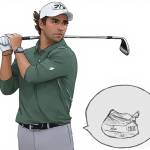
Few things in golf feel worse than a mishit. That sharp sting off the toe or the thin sound of a topped shot can ruin your rhythm in an instant. The frustrating part? You might not even realize that your weight transfer—your body’s movement through the swing—is to blame.
Every great golf swing, from beginner to pro, depends on mastering one fundamental principle: balance through motion. Your body isn’t static. It moves, flows, and shifts energy from your trail side to your lead side. When that transfer happens correctly, your swing becomes powerful and consistent. When it doesn’t, mishits, slices, and weak shots appear like clockwork.
Let’s dive into how to master weight transfer in golf so you can eliminate mishits, find your rhythm, and strike the ball more purely than ever before.
Why Weight Transfer Matters in the Golf Swing
Golf might seem like an upper-body game, but it starts from the ground up. Your feet are your foundation. They anchor your body, channel force through your legs, and allow that energy to flow through your core and into the clubhead.
Think of your swing as a chain reaction. If one link—the weight shift—is out of sync, everything else breaks down. Proper golf weight transfer helps you:
- Generate more power with less effort.
- Keep your swing centered for solid contact.
- Maintain balance through impact.
- Prevent slices and thin or fat shots.
Without it, you’re just “arm swinging,” and your clubface becomes unpredictable. Great ball-strikers don’t muscle the ball—they move their weight correctly so the club does the work.
The Physics Behind Weight Transfer
Your golf swing is essentially a transfer of energy. As you coil back during the backswing, energy builds in your trail leg and hip. During the downswing, that stored energy moves forward, transferring through your lead leg and into the ball.
It’s similar to throwing a baseball or skipping a stone. You don’t throw with just your arm—you shift your weight forward to generate power. Golf works the same way.
When your weight shift happens too early, too late, or not at all, you lose both energy and timing. The result? Mishits and inconsistent strikes.
The Ideal Weight Transfer Sequence
Every powerful, consistent golf swing shares one thing in common: smooth, progressive weight transfer. Let’s break it down step-by-step.
1. Setup: Balanced and Grounded
Before you even take the club back, your balance matters. Your weight should be evenly distributed—roughly 50/50 between both feet. You want a slight flex in your knees and your pressure centered under the balls of your feet, not your heels or toes.
This athletic position allows you to move freely in both directions. Think of it as your “launch pad” for motion.
2. Backswing: Load Into Your Trail Side
As you turn back, your trail leg becomes your anchor. Your weight should shift slightly toward your trail foot—about 60–70%—while keeping your spine centered.
Avoid swaying sideways. Instead, imagine coiling around your trail hip, not sliding behind it. You should feel tension build in your right glute (for right-handed players). That’s stored power waiting to be released.
3. Transition: The Key Moment
This is where most mishits happen. The transition from backswing to downswing must be smooth, not rushed.
The shift begins from the ground up. Your lower body—hips and legs—initiate the motion toward your lead side while your upper body completes the backswing. This move creates what golfers call “separation,” a powerful dynamic between your torso and hips.
When done right, it feels like your body is unwinding naturally rather than forcing the club down.
4. Downswing: Drive Into the Lead Side
As you swing down, your weight continues to shift onto your lead leg—eventually reaching about 80–90%. Your lead foot feels grounded, and your trail heel begins to lift slightly.
This forward movement ensures you’re striking the ball with your body behind it—not hanging back. It’s what creates that crisp, compressed contact that feels effortless.
5. Impact and Follow-Through: Balance and Extension
At impact, your weight should be firmly on your lead side. Your hips are open, your chest faces slightly right of the target (for right-handers), and your arms extend naturally through the ball.
After impact, your body continues rotating. By the time you finish your follow-through, nearly all your weight should be on your front foot, your back foot up on its toe, and your chest facing the target.
That’s the picture-perfect weight transfer every golfer should aim for.
Signs You’re Struggling with Weight Transfer
Not sure if your weight transfer is costing you consistency? Look for these telltale signs:
- Fat shots: Hanging back on your trail leg causes the club to bottom out early.
- Thin shots: Shifting too early or standing up through impact.
- Slices: Failing to transfer forward leaves the face open.
- Lack of distance: Without full transfer, your swing loses power.
- Poor balance: Falling off the shot or wobbling during follow-through.
If you recognize any of these patterns, it’s time to refine your movement.
Drills to Improve Golf Weight Transfer
Training your body to move properly takes awareness and repetition. Here are some simple but powerful drills to help you master golf weight transfer and eliminate mishits.
1. Step-Through Drill
This classic drill trains your body to move forward through the shot.
- Set up normally without a ball.
- Take your backswing as usual.
- As you swing down, step forward with your trail foot toward the target.
This motion teaches your body to shift weight naturally toward your lead side. When done correctly, your swing feels fluid and balanced.
2. Lead-Leg Only Swings
Grab a mid-iron and hit half swings using only your lead leg. Keep your trail foot lightly touching the ground for balance.
This isolates your lead side and strengthens your ability to post up on your front leg through impact. You’ll quickly learn how to stabilize your lower body and control the clubface.
3. Pressure Board or Balance Plate Drill
If you have access to a pressure board or balance trainer, it’s a game-changer.
Focus on feeling the weight move gradually from your trail heel to your lead toe throughout the swing. Visualization helps too—imagine pressing into the ground with your trail foot and pushing energy forward through your lead leg.
4. Baseball Swing Drill
Grab a club and make waist-high baseball swings. Notice how your body naturally transfers weight from your back foot to your front foot.
Now tilt your spine to simulate golf posture while maintaining that same motion. It’s a simple way to feel the natural rhythm of proper weight transfer.
5. Impact Bag Drill
An impact bag gives instant feedback on your body position at contact.
- Set up in front of the bag.
- Make a controlled downswing, striking the bag.
Focus on having your weight on your lead side at impact, hips open, and chest stable. If you feel your body leaning back or off balance, repeat until your position feels solid.
Common Weight Transfer Mistakes and Fixes
Even experienced golfers slip into bad habits. Let’s break down a few of the most common weight transfer mistakes and how to correct them.
Mistake 1: Swaying Instead of Rotating
A sway is a lateral movement of your body during the backswing. It makes returning to the ball consistently almost impossible.
Fix: Focus on rotating around your spine rather than shifting side to side. Keep your head steady and your trail knee flexed throughout the backswing.
Mistake 2: Hanging Back on the Trail Foot
This causes fat shots and weak contact because your energy never transfers forward.
Fix: Practice hitting shots where you exaggerate finishing with your weight fully on your lead leg and your back foot up on its toe.
Mistake 3: Over-Shifting Early
When you lunge onto your front foot too soon, you lose power and rhythm.
Fix: Slow down your transition. Let your upper body complete the backswing before your lower body starts moving forward.
Mistake 4: Lack of Lower Body Engagement
If your lower body is passive, your swing becomes all arms—unreliable and inconsistent.
Fix: Feel your feet drive the motion. Imagine pressing through the ground as you rotate through impact.
How Weight Transfer Impacts Power and Accuracy
Power in golf doesn’t come from swinging harder—it comes from sequencing and efficiency. Proper weight transfer helps you compress the ball, creating more distance with less effort.
When your body moves in sync, your swing becomes both strong and repeatable. The club approaches the ball from the ideal path, your impact improves, and your shots fly straighter.
Without that connection, you’ll always fight inconsistency. You can have perfect mechanics, but if your body isn’t moving correctly underneath them, the results will never match your potential.
Feeling the Flow: The Secret of Effortless Golf
The best golfers in the world make it look easy because they don’t fight against their body’s natural motion. Their swings are rhythmic, connected, and balanced.
Proper weight transfer doesn’t just create power—it creates flow. It’s the difference between forcing a swing and letting it happen.
You’ll know you’ve mastered it when you start hitting the ball flush without feeling like you’re trying. Your tempo smooths out, your follow-through feels complete, and your shots start flying straight with consistent contact.
That’s the moment when your swing feels effortless—and your confidence soars.
Conclusion
Mastering weight transfer is the bridge between frustration and fluidity in golf. It’s the foundation of every solid, powerful swing. When your body moves in sync—from your feet to your hips to your shoulders—you’ll eliminate mishits, strike the ball more purely, and build a swing you can trust under pressure.
Start simple. Feel the shift. Train your rhythm. Every small improvement in balance and movement translates into big gains on the course.
Remember: a perfect swing starts from the ground up—and mastering weight transfer is how you finally unlock your best golf.
FAQ
1. What causes poor weight transfer in golf?
Poor posture, rushing the downswing, or swaying laterally during the backswing often cause inefficient weight transfer.
2. How can I tell if my weight transfer is correct?
You should feel your weight move naturally onto your lead leg through impact, finishing balanced with your chest facing the target.
3. Should I shift my weight early in the downswing?
No. The best swings begin the shift gradually as the upper body completes the backswing for smooth, synchronized motion.
4. Can poor balance affect weight transfer?
Absolutely. Without balance at setup and follow-through, you can’t control how your weight moves or how solidly you strike the ball.
5. How long does it take to improve my golf weight transfer?
With consistent practice and awareness drills, most golfers notice improvement in a few weeks and lasting change in a few months.