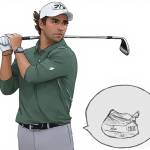
Golf demands precision. Yet it also demands patience, emotional balance, and sharp mental clarity. That’s why golf meditation practices have become powerful tools for players who want better focus and control. While many golfers train their bodies, fewer train their minds. However, your mind guides every swing you take.
You can have perfect mechanics. Still, one distracted thought can send your ball slicing into the trees. So what if you could steady your breathing, calm your thoughts, and swing with intention every time? That is exactly what golf meditation practices are designed to do.
Unlike generic relaxation exercises, these techniques directly support your performance on the course. They sharpen concentration. They improve emotional control. Most importantly, they help you stay present from tee to green.
Why Golf Meditation Practices Matter on the Course
Golf is often described as a mental game. In fact, many professionals say it’s more mental than physical. You walk for hours. You wait between shots. You replay mistakes in your head. As a result, your thoughts can spiral quickly.
Golf meditation practices interrupt that spiral. Instead of reacting emotionally to a bad shot, you respond calmly. Instead of worrying about the next hole, you focus on the current swing.
Moreover, meditation strengthens the brain’s ability to sustain attention. That means fewer wandering thoughts during your pre-shot routine. Additionally, it enhances self-awareness. You begin to notice tension in your shoulders or grip before it sabotages your swing.
Control starts internally. When your mind feels steady, your body follows.
The Connection Between Breath and Swing Control
Breathing is automatic. Yet it is also a powerful performance tool. Controlled breathing anchors you in the present moment. Therefore, many golf meditation practices begin with breathwork.
Try this simple technique before every shot:
Inhale slowly through your nose for four seconds.
Hold for two seconds.
Exhale gently through your mouth for six seconds.
This pattern activates your parasympathetic nervous system. In simple terms, it tells your body to relax. As a result, your grip softens. Your shoulders lower. Your swing becomes smoother.
Furthermore, breathing meditation improves rhythm. Golf is a game of tempo. When your breath is steady, your swing often mirrors that rhythm. Over time, this connection strengthens naturally.
You may notice that professionals pause briefly before striking the ball. That pause often includes a controlled breath. It’s subtle. However, it makes a difference.
Visualization as a Core Golf Meditation Practice
Visualization is one of the most powerful golf meditation practices available. Instead of thinking mechanically, you imagine the outcome clearly.
Before your shot, close your eyes briefly. Picture the ball’s flight. See its arc. Imagine it landing softly on the green. Feel the swing in your body.
When you visualize successfully, your brain activates neural pathways similar to physical practice. Therefore, you build confidence before you even swing.
Additionally, visualization reduces doubt. Instead of asking, “What if I miss?” you focus on a positive image. This mental rehearsal strengthens commitment.
However, visualization works best when combined with relaxation. That’s why pairing it with breath meditation enhances results. Calm mind. Clear picture. Confident swing.
Body Scan Meditation for Better Golf Focus
Tension is the silent enemy of control. Often, you do not realize you’re tightening your jaw or gripping the club too hard. A body scan meditation increases awareness.
Before a round, sit quietly for five minutes. Start at your head. Slowly move your attention down through your body. Notice areas of tightness. Release them intentionally.
This practice trains you to detect tension quickly during play. As a result, you can reset before it affects your shot.
Golf meditation practices like the body scan improve proprioception. That means better awareness of body position. Consequently, you gain more precise control over your swing mechanics.
Over time, this awareness becomes automatic. You sense imbalance immediately. Then you adjust naturally.
Mindfulness Training Between Shots
Golf includes downtime. You walk. You wait. You think. Unfortunately, this is when negative thoughts creep in.
Mindfulness meditation teaches you to observe thoughts without attachment. For example, if you think, “That was a terrible shot,” you simply notice the thought. You do not chase it.
One simple mindfulness drill is sensory awareness. While walking, notice the feel of the grass under your shoes. Listen to birds. Feel the breeze. By focusing on sensory details, you return to the present.
As a result, rumination fades. Your energy remains available for the next swing.
Consistent golf meditation practices build resilience. Mistakes no longer dominate your mindset. Instead, each shot becomes independent.
Pre-Round Meditation Ritual for Golf Focus and Control
Routines create stability. Therefore, a pre-round meditation ritual prepares your mind before you even step on the first tee.
Arrive early. Sit in your car or clubhouse quietly. Spend five to ten minutes practicing deep breathing. Then visualize three confident drives. Finally, set an intention for the round, such as “I will stay present.”
This structured approach reduces anxiety. Moreover, it creates psychological momentum.
Your mind interprets routine as safety. Consequently, nerves decrease. Confidence increases.
Over weeks, this ritual becomes automatic. Eventually, calm focus becomes your default state.
Using Walking Meditation During a Round
Walking meditation fits naturally into golf. Instead of rushing between shots, you walk deliberately.
Focus on each step. Feel your heel touch the ground. Then shift to your toes. Sync your breath with your pace.
This practice prevents mental drift. Additionally, it keeps your energy steady across long rounds.
Golf meditation practices do not require sitting cross-legged under a tree. They integrate seamlessly into play. That is their beauty.
The course becomes your meditation space.
Handling Pressure with Centering Techniques
Pressure tightens muscles. It shortens breath. It narrows attention too much. However, centering meditation techniques restore balance.
When facing a critical putt, place your attention on a single point, such as the dimples on the ball. Take one slow breath. Then focus on your stroke path only.
By narrowing attention intentionally, you block distractions. Importantly, you choose the focus rather than reacting to pressure.
This form of golf meditation practice enhances clutch performance. Instead of fighting nerves, you channel them.
Moreover, studies show that focused attention reduces performance anxiety. Confidence grows from preparation and mental discipline.
Building Consistency Through Daily Meditation
Like swing practice, meditation requires repetition. Even five minutes daily strengthens neural pathways.
Start small. Sit comfortably. Focus on breathing. When your mind wanders, gently return to the breath. That’s it.
Over time, attention span increases. Emotional reactions soften. Control deepens.
Many golfers report improved patience after consistent practice. Instead of forcing shots, they trust their process.
Additionally, meditation enhances recovery from bad rounds. You reflect calmly. You adjust logically. You move forward.
Golf meditation practices create long-term mental stamina. That stamina supports performance under varying conditions.
Integrating Golf Meditation Practices into Training
Combine meditation with physical drills. Before each range session, take three mindful breaths. Visualize your target. Swing with intention.
After practice, reflect briefly. What felt smooth? Where did tension arise?
This reflective approach turns every session into mental training.
Furthermore, journaling after meditation deepens awareness. Write down emotional patterns. Note triggers. Over time, patterns emerge.
Self-knowledge is power on the course.
The Science Behind Meditation and Athletic Control
Research shows meditation strengthens the prefrontal cortex. This area governs attention and decision-making. Meanwhile, stress hormones decrease.
For golfers, this means clearer shot selection. It also means steadier hands under pressure.
Neuroplasticity supports consistent meditation practice. Your brain literally rewires for focus.
Therefore, golf meditation practices are not mystical. They are neurological training tools.
You train your mind just as you train your swing.
Common Mistakes When Starting Golf Meditation Practices
Many beginners expect instant calm. However, meditation is practice, not perfection.
You will experience wandering thoughts. That’s normal. The goal is gentle return, not force.
Additionally, some players meditate only after bad rounds. Instead, consistency matters more than crisis response.
Avoid overcomplicating techniques. Start with breath. Then layer visualization gradually.
Keep it simple. Keep it steady.
How Golf Meditation Practices Transform Confidence
Confidence grows from control. When you trust your mental routine, uncertainty shrinks.
You no longer fear distractions. You handle them.
You no longer panic after mistakes. You reset.
This transformation feels subtle at first. However, over months, your demeanor changes. Playing partners notice. Your posture shifts. Your tempo smooths.
Golf meditation practices build inner steadiness. From that steadiness, confident swings emerge naturally.
Conclusion: Calm Mind, Controlled Swing
Golf meditation practices offer more than relaxation. They sharpen focus, enhance control, and build emotional resilience. When your mind stays steady, your swing follows.
Through breathwork, visualization, mindfulness, and consistent practice, you train the most important muscle in golf—your mind. As a result, you step onto the course with clarity instead of chaos. Calm mind. Controlled swing. Better golf.
FAQs
- How long should I practice golf meditation each day?
Start with five minutes daily. Gradually increase to ten or fifteen minutes as focus improves. - Can beginners use golf meditation practices effectively?
Yes. Simple breathing and visualization techniques work for all skill levels. - Does meditation really improve golf performance?
Research shows meditation enhances focus, emotional control, and decision-making, all essential for golf. - When is the best time to meditate for golf focus?
Before a round or practice session is ideal. However, daily consistency matters most. - How soon will I see results from golf meditation practices?
Some benefits appear within weeks. Deeper improvements develop with regular practice over months.