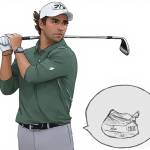
Bounce Back Like a Pro: Turning Mistakes Into Momentum
Every golfer hits a bad shot—it’s part of the game. But what separates great players from frustrated ones isn’t perfection; it’s how quickly they bounce back. Whether it’s a chunked wedge or a snap hook off the tee, the ability to reset mentally and stay focused can save your score—and your confidence. In this guide, you’ll learn how to recover after a bad golf shot using proven mental techniques that turn frustration into forward momentum.
The good news? Refocusing after a bad shot is a skill—and one you can learn. With the right tools and mindset, you can bounce back faster, stay in the moment, and keep your scorecard (and emotions) intact.
Step 1: Recognize the Emotional Surge
That post-shot frustration? It’s normal. But staying in that headspace? That’s a choice.
What happens after a bad shot:
- Tension spikes
- Negative self-talk creeps in
- Focus drifts to the past or future
- You rush or tighten your swing
The first step to refocus is simply noticing the mental spiral before it grabs hold.
Step 2: Use a Physical Reset Trigger
Give your brain a cue to let go and move on.
Try one of these:
- Toss a piece of grass or tee behind you—leave the mistake there
- Tap your golf bag lightly as a reset cue
- Wipe your hands as if clearing away the bad energy
- Switch gloves or adjust your hat—anything to break the loop
This turns a mental reset into something your body can help reinforce.
Step 3: Breathe with Intention
Breathing isn’t just for yoga—it’s a powerful mental reset tool.
Try this simple breathing drill:
- Inhale for 4 counts
- Hold for 2
- Exhale slowly for 6
- Repeat twice
This slows your heart rate, calms your nerves, and brings you back to center.
Step 4: Shift from Judgment to Curiosity
Instead of saying:
“That was terrible. I always mess that up.”
Try asking:
“What happened there? What can I adjust?”
This subtle mindset shift:
- Lowers emotional pressure
- Replaces frustration with focus
- Makes every mistake a learning opportunity
Golf is a game of patterns. Curiosity helps you see yours more clearly.
Step 5: Visualize the Next Shot (Not the Last One)
Dwelling on a bad shot won’t fix it. But envisioning the next one? That’s productive.
Mental reset drill:
- Picture your next swing—smooth, focused, confident
- Imagine the ball flight you want
- Feel your body relaxed and ready
You’re now creating momentum instead of reliving mistakes.
Step 6: Anchor Yourself in the Present
Most post-error meltdowns happen because your mind is stuck in the past… or panicking about future holes.
Stay present by focusing on:
- The wind direction
- Your grip pressure
- The feel of your feet on the ground
- The target—not the trouble
One shot at a time is more than a cliché. It’s how great rounds are built.
Step 7: Use Positive Self-Talk
You don’t need cheesy mantras—just affirming, grounded reminders.
Examples of empowering self-talk:
- “Next shot. That one’s done.”
- “Stay in rhythm.”
- “Smooth and simple.”
- “I’ve recovered from worse.”
Your inner voice is your most consistent playing partner—make it a helpful one.
Step 8: Keep Your Body Language Confident
Your mind follows your posture. If you slump, huff, or drag your feet, your mood spirals.
Instead:
- Stand tall
- Walk with purpose
- Smile—even if you don’t feel like it
Confidence is often a choice before it becomes a feeling.
Step 9: Remember Your Long Game
One shot won’t define your round—unless you let it.
Ask yourself:
“Will I care about that 7-iron next week?”
Probably not.
Perspective keeps you grounded.
Step 10: Build a Post-Shot Routine
Consistency beats chaos. Having a go-to post-shot process—good or bad—builds mental toughness.
Sample refocus routine:
- Accept the result
- Take a breath
- Reset physically (bag tap, glove switch)
- Visualize next shot
- Step up fresh
Practice this. It becomes second nature with time.
Conclusion
Bad shots happen. What matters is how you respond. With practice, you can turn those “oh no” moments into quick resets—and even into mini-comebacks.
The next time you chunk it, hook it, or send one OB, take a breath. Smile. Refocus. The best golfers don’t avoid mistakes. They just refuse to let one bad swing steal the rest of the round.
FAQs
- What’s the fastest way to reset after a bad shot?
Take a deep breath, use a physical cue (like tossing grass), and visualize your next swing. - Should I try to fix my swing mid-round after a bad shot?
Stick with your game plan. Big swing changes mid-round usually make things worse. Save analysis for the range. - Does body language really impact performance?
Absolutely. Confident posture reinforces a positive mindset and affects how you swing. - How do pros bounce back so quickly?
They use routines, mental training, and years of practice accepting mistakes without emotional overreaction. - Can I practice refocusing, or does it only happen on the course?
You can absolutely practice it—at the range, at home with visualization, or through journaling your reactions after rounds.