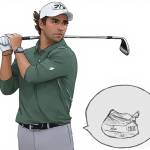
If you’ve ever hit a great-feeling shot that still curved offline or missed your target entirely, the problem might not be your swing at all. It could be your lie angle. Many golfers overlook lie angle accuracy, yet it has one of the strongest impacts on ball flight and consistency. When your lie angle fits your swing, your shots start straighter, fly truer, and finish closer to your targets. However, when the lie angle is off—even slightly—you will see immediate directional issues that no amount of practice can fully fix.
Lie angle refers to the angle formed between the center of the shaft and the sole of the club when the club sits flat on the ground. Although that may sound technical, its effect on your shot direction is simple: an incorrect lie angle twists the clubface at impact. That twist sends the ball off your intended line, even when you make a solid swing. Because the twist happens at ground level, it affects the launch and the curvature of the shot instantly.
Let’s break down exactly how lie angle accuracy influences your game and how the proper lie angle can transform your ball flight.
Why Lie Angle Accuracy Matters for Straight Shots
Lie angle controls the relationship between the sole of the club and the ground at impact. When the lie angle is correct, the club sits flush, allowing the clubface to return square. Because a square clubface promotes accurate ball flight, lie angle has a powerful effect on direction.
If the lie angle is wrong, the heel or toe lifts off the ground. This misshapes the face angle. Even a small lift changes where the face points. Consequently, your ball starts left or right of your target, even if your swing path is perfect.
Lie angle accuracy matters because impact happens in milliseconds. You don’t feel small tilts in the clubhead. Yet those tiny tilts create big directional problems. With a correct lie angle, your club works naturally with your swing rather than against it.
How Upright Lie Angles Affect Your Ball Flight
When your lie angle is too upright, the heel of the club contacts the ground first. This causes the toe to lift. Because the toe lifts, the clubface points left of the target for right-handed golfers. As a result, the ball starts left and often curves even farther left.
You may think you’re pulling shots or rotating your wrists too much. In reality, you may simply need a flatter lie angle. Upright lies create false signals. They push the ball left even when your swing is sound.
Additionally, upright lie angles make you stand taller and reduce your spine angle. This can promote an over-the-top move or a steep swing path—compounding directional issues.
When your lie angle sits too upright, your accuracy suffers. Correcting the lie angle often eliminates left misses immediately.
How Flat Lie Angles Influence Accuracy and Direction
A lie angle that’s too flat causes the opposite problem. The toe digs into the turf first, lifting the heel and opening the clubface. Because the clubface points right for right-handed golfers, the ball starts right and often curves farther that direction.
If you constantly push shots or block them to the right, the issue may not be your swing path. It could be a flat lie angle working against you. Flat lies often affect shorter irons and wedges because players attempt to create steep divots. When the toe digs too much, the shot pattern shifts right consistently.
A flat lie angle also changes your posture. It pulls your upper body lower and encourages a shallow move. Because shallow swings push the ball right, the lie angle worsens the miss even more.
Adjusting this angle can restore your center strike and straighten your ball flight quickly.
Why Lie Angle Influences Contact Quality
Correct lie angle accuracy also improves your strike location. When the club sits flush, the entire face stays aligned. When the lie is wrong, you tend to hit more heel or toe shots.
Toe-heavy strikes come from flat lies. Heel-heavy strikes come from upright lies. Because toe and heel strikes lose ball speed, distance decreases. You also lose height and spin, which affects stopping power on the greens.
Solid contact relies on consistency at ground level. Lie angle shapes how the club interacts with the turf. When the angle matches your swing, you strike the ball in the center more often. That small improvement creates larger gains in accuracy and distance.
How Lie Angle Affects Ball Flight Height and Trajectory
Lie angle doesn’t just influence direction. It also affects launch and trajectory. Upright clubs add loft unintentionally. They send the ball higher because the toe lifts and creates more dynamic loft.
Flat lie angles reduce loft. They lower your launch and produce flatter, more penetrating ball flights. Low hitters often struggle with flat lie angles, while high-ball hitters may benefit from slightly flatter settings.
Trajectories change because lie angle alters how the clubface aims at impact. Even slight adjustments can change the shape of your flight. When the lie angle is correct, the ball launches on your intended window consistently.
Why Players of All Skill Levels Need Lie Angle Accuracy
Beginners, intermediates, and advanced golfers all benefit from accurate lie angles. Many amateurs believe club fitting is only for professionals. However, most inconsistency among recreational golfers comes from misfit equipment—not from poor technique.
Beginners gain confidence faster when their equipment supports their natural motion. Intermediate players eliminate directional misses that hold them back from breaking scoring barriers. Skilled players fine-tune their shot shapes with precise lie adjustments.
Lie angle accuracy levels the playing field. Instead of fighting your equipment, you work with it.
Signs Your Lie Angle Is Too Upright
You may need a flatter lie angle if you notice the following patterns:
Your divots point left of your target.
Your heel contacts the ground first.
You miss left consistently with irons.
Your shots feel like pulls rather than hooks.
Your posture feels too upright at address.
These indicators suggest the toe is rising and the face is closing unintentionally.
Signs Your Lie Angle Is Too Flat
Flat lie angles create their own set of issues. Look for these signs:
Your divots point right of target.
You hit more toe strikes than center strikes.
Your ball starts right and doesn’t return.
Your clubs feel too low at address.
Your shots launch lower than expected.
Because the heel rises, the face stays open, sending shots to the right.
How Lie Angle Accuracy Affects Each Club in Your Bag
Lie angle influences different clubs in different ways.
Short irons and wedges need the most precise lie angle because they create steeper angles of attack. Small misalignments become exaggerated on these clubs.
Mid-irons still rely heavily on correct lie angle for distance control and accuracy.
Hybrids and long irons require proper lie angle to maintain consistent launch windows and prevent directional misses.
Drivers and fairway woods don’t use lie angle in the same way because they don’t rely on turf interaction. However, adjustable hosels still allow upright or flat settings to influence shot shape.
Because every club interacts with the turf differently, lie angle accuracy improves performance throughout your entire bag.
Why Lie Angle Accuracy Improves Your Iron Consistency
Irons demand precision. You must strike the ball before the turf. When lie angle is incorrect, your club interacts with the turf inconsistently.
Upright angles cause heel digging and unstable strikes. Flat angles create toe digging and glancing contact. Both patterns disrupt energy transfer and consistency.
A proper lie angle allows your sole to glide smoothly across the turf. Because the club interacts with the ground correctly, your distance control improves. Your trajectory stabilizes. And your misses become smaller and more predictable.
Lie angle accuracy leads to consistency, which is the foundation of solid iron play.
How Lie Angle Works Together with Shaft Length
Lie angle and club length work as a pair. Changing shaft length affects lie angle automatically.
Longer shafts require more upright lie angles. Shorter shafts require flatter lie angles. If you adjust one without the other, your posture, swing plane, and contact patterns become inconsistent.
When you combine correct length with correct lie angle, your setup becomes natural and balanced. Your arms hang comfortably. Your spine angle stays athletic. Because your body stays in position, your club returns to the ball more consistently.
Fitting these two elements together is essential for accuracy and distance.
Why Swing Style Affects Your Ideal Lie Angle
Not all golfers need the same lie angle. Your swing style determines the optimal setting.
Steep swingers often need flatter lie angles to avoid excessive heel strikes. Shallow swingers often need more upright angles to keep the toe from digging.
Your release pattern matters too. Players who rotate the clubface more aggressively often need flatter settings to counteract left misses. Players with quiet hands may need upright angles to help square the face.
Lie angle accuracy comes from understanding how your body delivers the club to the ball.
How a Professional Fitting Determines Lie Angle Accuracy
A professional fitting uses dynamic testing. Fitters place impact tape on the sole of your club, marking where the club hits the ground. They also track ball flight data to see how lie angle changes direction and shape.
During the fitting, the fitter will adjust the lie angle until your club returns square without manipulation. Because this measurement uses your actual swing, it’s far more accurate than static measurements alone.
Once fitted, your clubs will match your motion precisely. As a result, your ball flight becomes more predictable.
How Correct Lie Angle Improves Mental Confidence
Confidence grows when you trust your equipment. When your lie angle supports your swing, you stop second-guessing your alignment or posture. Instead, you focus on your target.
Because confidence reduces tension, your swing becomes smoother and more committed. Smooth swings produce better contact, cleaner ball flight, and fewer misdirected shots.
Lie angle accuracy doesn’t just improve physical performance. It boosts your mindset too.
Developing Long-Term Accuracy through Correct Lie Angle
When your lie angle is correct, improvement becomes easier. You stop fighting equipment flaws. Your practice becomes more productive. Because your misses shrink, your scoring improves steadily.
Long-term accuracy requires repeatability. A consistent lie angle gives you that foundation. Every iron shot begins with the same predictable starting line. And every improvement in your mechanics builds on solid equipment fundamentals.
Over time, lie angle accuracy becomes one of the most valuable upgrades you can make.
Conclusion
Lie angle accuracy is one of the most important and overlooked factors in achieving reliable ball flight. It determines your direction, affects your height, shapes your trajectory, and influences your contact. When your lie angle fits your swing, your shots fly straighter and your misses shrink dramatically. Instead of compensating for equipment issues, you finally swing with freedom, trust, and precision. Get your lie angle professionally checked, match it to your natural motion, and enjoy the accuracy and confidence that follow.
FAQ
1. Why does lie angle affect accuracy so much?
Because incorrect lie angles twist the clubface at impact, sending shots left or right.
2. How do I know if my lie angle is wrong?
Check your divots, impact patterns, and directional misses. Consistent misses suggest lie issues.
3. Can lie angle affect distance?
Yes. Off-center strikes from incorrect lie angles reduce ball speed and consistency.
4. Should beginners get lie angle fittings?
Absolutely. Proper lie angle helps new golfers build better habits and consistent contact.
5. How often should I check my lie angles?
Once a year is ideal, especially if your swing has changed or your divots look uneven.