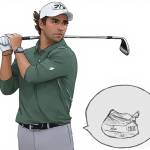
Most golfers focus on swing mechanics, club fitting, or strength training, yet they overlook one of the simplest influences on their performance: grip size. Although it looks insignificant, grip size impacts your swing and control in powerful ways. When your grip is the right size, your hands move naturally. Your wrists hinge effortlessly. Your clubface squares more consistently. Because your hands are your only connection to the club, grip size affects everything from swing path to impact.
If your grip is too small, your hands become overly active and your forearms work harder than they should. When your grip is too big, your hands struggle to release the club on time. Both issues cause erratic shots, weak contact, and unpredictable ball flight. However, a properly sized grip supports your natural motion, encourages balanced wrist action, and improves control instantly. Grip size is not about comfort alone—it determines how well you control your swing.
Let’s explore how grip size impacts your swing, your control, and your overall performance.
Why Grip Size Impacts Every Part of Your Swing
Grip size influences your hand pressure, wrist mobility, leverage, and release pattern. When your grip fits correctly, your hands stay relaxed. Relaxed hands promote better tempo. Because your tempo affects your rhythm and timing, grip size shapes your entire motion.
If the grip is too small, your fingers wrap excessively around it. This increases tension. Tight hands tighten your forearms. When your forearms tighten, your wrists lock up and your swing loses fluidity. The clubface then rotates too quickly, making it difficult to square consistently.
If the grip is too large, your hands cannot wrap fully. This forces a weaker grip position, limiting wrist hinge. That limited hinge decreases speed and reduces shot height. Large grips also delay your release, sending the ball right.
Because grip size influences all of these elements, it plays a bigger role in your ball-striking than many golfers realize.
How Grip Size Impacts Your Control and Accuracy
You control the clubface with your hands and wrists. That means grip size determines how easily you can square the clubface at impact.
Small grips increase hand action. More hand action can help players who struggle with slicing. However, too much hand action creates hooks, pulls, and inconsistent contact.
Large grips reduce hand action. This can help tame hooks or reduce excessive wrist roll. Yet oversized grips often make the face arrive open. When the face stays open, the ball pushes right.
When the grip size fits perfectly, your hands work in harmony. Neither too active nor too passive, your release becomes natural. That balance leads to straighter shots, more predictable ball flight, and tighter shot dispersion.
Grip size accuracy creates better control because it stabilizes the relationship between your hands and the clubface.
Why Grip Size Impacts Your Comfort and Tension Levels
Comfort influences performance. When a grip feels right in your hands, you relax. That relaxation improves your tempo and smooths out your transition.
A grip that is too small makes you squeeze harder to hold the club. Increased grip pressure creates tension that travels up your arms. This tension reduces speed and disrupts your release pattern.
A grip that is too large makes the club feel heavy and difficult to maneuver. You may feel disconnected from the head of the club. Because that disconnect reduces feedback, your control worsens.
The correct grip size reduces strain in your hands, wrists, and forearms. Your body responds with smoother movement, lighter grip pressure, and better rhythm.
How Grip Size Impacts Wrist Hinge and Release
Wrist hinge plays a major role in generating power and controlling the clubface. Grip size impacts that hinge immediately.
Small grips allow your wrists to hinge more easily. This can increase speed. However, it often makes the release too active. If your timing is off, the ball hooks dramatically.
Large grips restrict wrist hinge. Because of this restriction, many golfers lose distance. The limited hinge also reduces their ability to close the face on time.
The correct grip size creates a balanced hinge. You gain enough mobility for power but not so much that the release becomes inconsistent. That balance improves your ball-striking across all clubs.
Why Grip Size Impacts Your Ability to Feel the Clubhead
Feel matters in golf. You need to sense where the clubhead is during your swing. Grip size plays a key role in your ability to feel that weight.
Small grips increase clubhead awareness. They exaggerate sensation. However, they also increase wrist rotation. Too much rotation creates inconsistency.
Large grips decrease clubhead awareness. That reduced feedback can hurt your tempo and make it harder to judge your swing bottom.
A properly fitted grip gives you enough feedback to sense the clubhead without overwhelming your wrists. Because you can feel the head more accurately, your timing improves.
Signs Your Grip Size Is Too Small
Look for these clues:
Your hands feel tense during your swing.
The club twists at impact.
You hit hooks or pull shots frequently.
Your forearms feel overworked.
Your glove wears out quickly near the palm.
Small grips often lead to excessive hand rotation. This causes accuracy issues immediately.
Signs Your Grip Size Is Too Large
Large grips create different issues:
You struggle to release the club.
You hit pushes or fades unintentionally.
Your shots feel weak or low.
Your wrists hinge less than normal.
Your grip pressure feels inconsistent.
Players who fight a slice often use large grips accidentally, making the problem even worse.
How Grip Size Impacts Different Clubs in Your Bag
Not every club reacts the same way to grip size.
Drivers benefit from balanced grip size because they require both speed and control. A grip that’s too big slows your release. A grip that’s too small increases hooks.
Irons require consistency and stability. A correct grip size improves control of your swing bottom and reduces directional misses.
Wedges need precision. Because you rely heavily on feel around the greens, grip size impacts how easily you judge distance and spin.
Putters change dramatically with grip thickness. Larger putter grips reduce wrist action and promote a pendulum motion. Smaller grips increase feel but can add unwanted wrist hinge.
Grip size impacts each club differently, making proper fitting essential across the entire bag.
How Grip Size Impacts Your Grip Pressure
Grip pressure shapes your swing. Grip size shapes grip pressure.
If your grip is too small, you squeeze hard. That increased pressure makes your swing rigid. It also slows your clubhead speed.
If your grip is too large, you lose control. Because your hands cannot hold the club comfortably, you alternate between squeezing and relaxing. This inconsistency ruins tempo.
With a correct-size grip, your hands feel secure with minimal effort. Light, steady grip pressure leads to relaxed arms and smoother movement.
Why Grip Size Influences Your Ability to Square the Face
Squaring the clubface is one of the most important fundamentals. Grip size directly impacts how quickly your hands rotate.
Small grips encourage fast rotation. They help chronic slicers but can overcorrect into hooks.
Large grips slow rotation. They help players soften hook tendencies but often leave the face open.
The ideal grip size strikes a balance. It lets your hands rotate naturally and consistently. That balanced rotation improves accuracy on every shot.
How Hand Size Determines Your Ideal Grip Size
Hand size is the primary factor in determining grip size. Players with large hands often need midsize or jumbo grips. Players with smaller hands need standard or undersized grips.
However, hand size alone is not enough. Finger length matters too. Golfers with long fingers may need thicker grips to prevent the fingers from digging in too deeply.
A professional grip fitting measures hand length, finger shape, grip style, and wrist mobility. Because these details vary widely between players, a custom fit provides the best results.
Why Swing Style Influences Grip Size Needs
Swing style changes which grip size works best.
Golfers with quick, aggressive releases often benefit from slightly larger grips. These reduce excessive rotation and help stabilize the clubface.
Golfers with slower, more controlled releases may prefer smaller grips. These enhance mobility and increase speed through impact.
Players who hinge their wrists dramatically usually need smaller grips for freedom. Those with quiet hands often need larger grips for stability.
Because your swing style influences your ideal thickness, the correct grip size must match your natural motion.
How Correct Grip Size Reduces Injury Risk
Incorrect grip size can increase strain on your hands, wrists, elbows, and forearms. Small grips encourage tight squeezing that inflames tendons. Large grips increase tension because your hands work harder to control the club.
Pain in the hands or elbows often comes from a grip size mismatch. Conditions like tendinitis, golfer’s elbow, and wrist irritation frequently improve when grip size is corrected.
A proper fit reduces stress. Your hands relax. Your wrists move naturally. Your arms stay softer. With less strain, you play longer and more comfortably.
Choosing Grip Size Based on Playing Conditions
Grip size interacts with the weather.
Moisture increases slipperiness. Players in humid climates often prefer slightly thicker grips for extra traction. Cold weather stiffens the hands. A slightly smaller grip can help create a secure feel in the cold.
Because conditions shift, some golfers keep seasonal variations of grips. However, sticking with one correct size is the best long-term approach.
How Grip Texture Relates to Grip Size
Texture and thickness work together. Some grips feel larger because of softer materials. Others feel thinner due to firm construction.
For example:
Soft grips expand slightly in the hands.
Corded grips feel firmer and smaller.
Wrap-style grips feel thicker.
Because texture changes how the grip interacts with your hands, it influences the perceived size. Many golfers misjudge size because of texture alone.
Testing Grip Size to Find Your Best Fit
The best way to confirm your ideal grip size is by testing.
Hold each size with your normal grip. Notice how your fingers wrap. Check if your fingertips dig into your palm. See if there is too much space. Grip the club with both hands and move into a backswing. Feel the tension, the comfort, and the mobility.
Then test with swings. Small adjustments make big differences. The correct size feels natural immediately.
Professional fitters use measurement charts, wrist mobility tests, and launch monitor data. Because this provides precise feedback, a fitting ensures the best match.
Long-Term Benefits of Correct Grip Size
Grip size impacts your performance immediately, but the long-term benefits are even greater.
You develop more consistent patterns. Your mishits shrink. Your swing becomes more repeatable. Because your mechanics stay stable, every improvement sticks.
Grip size also reduces fatigue. When your hands work less, your swing stays fresh late into your round. That endurance leads to lower scores.
Over time, a correct grip size helps you build a dependable, confident game.
Conclusion
Grip size impacts your swing and control more profoundly than most golfers realize. It shapes your wrist movement, your grip pressure, your release pattern, your accuracy, and your comfort. When your grip fits your hands, your swing becomes smoother and your ball-striking becomes more reliable. Instead of fighting tension or compensating for equipment mismatches, you swing freely and confidently. Choose the grip size that supports your natural motion, get professionally fitted when possible, and enjoy the stability, speed, and precision that follow.
FAQ
1. How does grip size impact my swing?
Grip size affects your wrist hinge, grip pressure, release pattern, and clubface control.
2. What happens if my grip is too small?
A small grip increases hand rotation, tension, and the likelihood of hooks or pulls.
3. What are the problems with oversized grips?
Oversized grips restrict wrist hinge, delay release, and often cause pushes and fades.
4. Should every golfer get a grip fitting?
Yes. A professional fitting ensures your grip size matches your hand shape, swing style, and comfort needs.
5. Can grip size reduce injury?
Absolutely. Correct grip size reduces hand strain and prevents wrist and elbow tension.