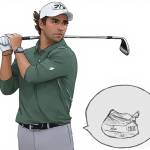
If your swing feels solid but the results keep missing the target, there’s a hidden culprit that might be sabotaging your game—your shaft flex. Many golfers obsess over clubheads and grips, yet overlook one of the most crucial performance factors: the shaft’s flexibility.
The shaft is the engine of your golf club. Its ability to bend and recover during your swing directly influences your accuracy, distance, and overall consistency. The wrong shaft flex can turn great swings into unpredictable shots. But when your shaft flex matches your swing, every drive feels pure, every iron shot flies true, and your tempo becomes effortlessly reliable.
Let’s dive into how shaft flex affects your consistency—and how to find the perfect match for your swing.
What Exactly Is Shaft Flex?
Shaft flex refers to how much a golf club’s shaft bends during your swing. Every shaft flexes to some degree when you load it during the backswing and release it through impact. That flex determines how energy transfers from your hands to the clubhead—and ultimately, to the ball.
There are five common flex ratings:
- Extra Stiff (X): Designed for fast swing speeds (usually 110 mph+).
- Stiff (S): For strong, athletic swings around 95–110 mph.
- Regular (R): Ideal for moderate swing speeds (85–95 mph).
- Senior (A): For slower, smoother swings (75–85 mph).
- Ladies (L): Best for gentle, rhythmic swings below 75 mph.
When your shaft flex aligns with your natural swing tempo, energy flows efficiently. When it doesn’t, timing falls apart—and so does consistency.
How the Wrong Shaft Flex Affects Your Swing
You can have perfect mechanics and still miss your targets if your shaft flex is mismatched. The club either releases too early or too late, throwing off timing, face angle, and contact point.
If your shaft is too stiff:
- You’ll struggle to square the clubface at impact.
- Ball flight becomes low and fades to the right (for right-handers).
- Shots feel harsh and distance drops.
If your shaft is too soft:
- The clubhead closes too soon, causing hooks or high ballooning shots.
- You lose control over trajectory.
- The swing feels inconsistent or “whippy.”
Think of it like using a fishing rod. Too stiff, and you can’t cast far. Too flexible, and you lose control. Golf shafts work the same way—balance matters.
Why Shaft Flex Consistency Matters
Consistency in golf comes down to repeatable motion. If your shaft flex doesn’t match your rhythm, every swing produces a different result.
A proper shaft flex helps you:
- Keep tempo steady from backswing to follow-through.
- Control launch angle and spin rate.
- Maintain predictable ball flight and distance.
When the shaft flex matches your speed and timing, it “loads” and “unloads” in sync with your motion. That harmony produces the crisp, balanced feel that consistent golfers rely on.
Without that match, you’re fighting your equipment on every swing.
The Relationship Between Shaft Flex and Swing Speed
Your swing speed is the foundation for determining shaft flex. The faster you swing, the stiffer your shaft needs to be to control energy.
Here’s a general guide:
- 110+ mph: Extra Stiff
- 95–110 mph: Stiff
- 85–95 mph: Regular
- 75–85 mph: Senior
- Below 75 mph: Ladies
However, it’s not just about raw speed. Tempo, transition force, and release timing all play roles. Some golfers with moderate swing speeds but quick transitions might need stiffer shafts, while smooth swingers might benefit from softer flexes.
That’s why a professional fitting is so valuable—it captures your swing’s full DNA.
Feel, Feedback, and Timing
Shaft flex doesn’t just affect distance—it changes how your swing feels.
When flex is right, your swing feels natural and balanced. You can sense the club loading behind you and releasing through impact, like a perfectly timed whip. The ball launches with authority, and the feedback through your hands feels solid but smooth.
When flex is wrong, that feedback disappears. Everything feels mistimed or off-balance. It’s like dancing to music that’s half a beat off—you’re always playing catch-up.
Consistency thrives on feel, and feel starts with the right shaft flex.
The Connection Between Shaft Weight and Flex
Many golfers overlook how weight interacts with flex. A lighter shaft can help increase swing speed, but if it’s too light for your tempo, you’ll lose stability. Conversely, a heavy shaft provides control but may reduce speed if it feels too demanding.
Finding the right balance between weight and flex ensures your swing flows naturally without overexertion.
A good rule of thumb:
- Faster swingers = slightly heavier shafts.
- Slower swingers = lighter shafts with more flex.
Your goal is a smooth, efficient motion—not brute force.
Signs You’re Playing the Wrong Shaft Flex
If your game feels unpredictable, your shaft might be sending you signals. Here are common symptoms of a poor flex match:
- Inconsistent contact (fat, thin, or off-center).
- Wild dispersion with no clear shot pattern.
- Loss of distance even with solid contact.
- Ball flight that’s too high or too low.
- A feeling of “fighting” the club through impact.
If several of these sound familiar, your shaft flex is likely working against your natural swing.
How to Test Your Shaft Flex Consistency
You can get a good sense of your current flex performance through a few simple tests:
- TrackMan or Launch Monitor Session:
Measures swing speed, spin rate, and dispersion patterns. - Feel Test:
Alternate between a stiffer and softer shaft. Notice which one feels smoother and more controlled. - Trajectory Check:
Pay attention to launch angle and flight consistency. Are your shots climbing too high or diving too low?
Even without tech, your feel and results tell the story. The right shaft feels stable but responsive—not too rigid, not too loose.
Custom Fitting: The Key to Shaft Flex Perfection
A professional club fitting removes guesswork. During a fitting, a specialist measures your swing data, including:
- Clubhead speed
- Ball spin rate
- Launch angle
- Tempo and transition force
They then match these metrics to the optimal shaft flex and weight combination.
The beauty of custom fitting is precision. You might discover that a Stiff flex driver and a Regular flex iron set are perfect for you, depending on how you deliver each club.
Proper fitting isn’t about ego—it’s about efficiency. The right shaft turns effort into energy and potential into performance.
How Shaft Flex Impacts Distance Control
Consistency isn’t only about hitting fairways—it’s also about controlling how far each club carries. Shaft flex directly affects launch and spin, which determine carry distance.
If your shaft is too stiff, you’ll struggle to get the ball airborne. Your shots might roll farther but lack stopping power on the greens.
If your shaft is too soft, you’ll gain height but lose distance control. Wedges might balloon, and irons could produce unpredictable gaps.
The right flex creates a predictable distance pattern throughout your bag, so every club performs exactly as expected.
Adjusting Flex Across Different Clubs
Not all clubs require the same flex characteristics.
- Drivers: Need a flex that matches speed and tempo for distance.
- Fairway Woods: Slightly softer flex can help launch the ball easier.
- Irons: Prioritize control and consistent contact.
- Wedges: Often heavier shafts for precision.
Many players mix shaft types across their set to maximize both power and control. The goal is smooth transition—from driver to wedge—without disrupting your rhythm.
The Role of Graphite vs. Steel Shafts
Graphite and steel shafts react differently to flex. Graphite shafts tend to be lighter and more flexible, making them ideal for slower swing speeds or players seeking more distance and comfort.
Steel shafts are heavier and more rigid, offering better feedback and control for faster or more aggressive swings.
Matching flex to material matters. For instance, a Regular graphite shaft may feel softer than a Regular steel one. That’s why testing both is crucial before deciding.
The Confidence Factor
When you know your shaft flex matches your swing, confidence soars. You stop second-guessing, trust your motion, and commit fully to every shot.
That mental ease can be transformative. Instead of adjusting your swing mid-round, you simply play. Every club feels familiar, every strike feels intentional, and every shot becomes part of a reliable rhythm.
Confidence builds consistency—and consistency lowers scores.
Conclusion
Your golf shaft flex consistency can make or break your performance. It’s the link between your swing mechanics and your results. When your shaft flex fits perfectly, your tempo improves, your contact becomes cleaner, and your ball flight steadies.
If you’ve been struggling with inconsistency, don’t rush to fix your swing first. Start with your equipment. Get fitted, test different shafts, and find the flex that matches your natural motion.
Because when your equipment complements your swing, golf stops feeling like a fight—and starts feeling effortless.
FAQ
1. How do I know if my shaft flex is too stiff?
If your shots fly low, feel harsh, or consistently fade, your shaft is likely too stiff for your swing speed.
2. Can the wrong shaft flex cause slices or hooks?
Yes. A shaft that’s too stiff often causes slices, while one that’s too soft can produce hooks.
3. Should I get fitted for every club in my bag?
Ideally, yes. Each club serves a different purpose, and fitting ensures consistent performance across your set.
4. Does age affect which shaft flex I need?
Yes. As swing speed changes with age, softer flexes can help maintain distance and control.
5. Can I fix inconsistency without buying new clubs?
Sometimes. A club fitter can adjust your current shafts or recommend replacements that better suit your swing.