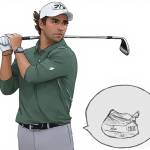
If you’ve ever wondered why two golfers with the same driver can produce completely different results, the secret lies in one simple factor: custom club fitting. The right fit can make every swing feel effortless, every strike more powerful, and every round more consistent. Yet many golfers still rely on off-the-shelf clubs, unknowingly handicapping their own game.
Custom club fitting in golf is not just for professionals—it’s for anyone serious about improvement. Think of it like tailoring a suit. Sure, you can buy one off the rack, but when it’s made specifically for you, every detail feels right. That perfect fit can be the difference between an average round and your personal best.
What Is Custom Club Fitting in Golf?
Custom club fitting is the process of tailoring golf clubs to your individual swing mechanics, body measurements, and playing style. Instead of adjusting your swing to fit the club, the club is built to fit you.
A proper fitting session usually involves analyzing:
- Swing speed and tempo
- Ball flight pattern
- Club path and face angle
- Lie angle and shaft flex
- Grip size and club length
Fitters use high-tech tools like launch monitors to gather precise data, ensuring each club—from driver to wedge—matches your unique physical and mechanical profile.
It’s like finding the perfect pair of running shoes for your stride. Once your equipment complements your movement, performance skyrockets.
Why Custom Fitting Matters for Every Golfer
Too many golfers assume fitting is reserved for pros or low handicappers. The truth? Beginners and weekend players often gain the most from it.
When you use clubs that fit correctly, your body moves naturally. You stop compensating for mismatched equipment. That means fewer off-center hits, better control, and more distance with less effort.
Imagine trying to play tennis with a racquet that’s too heavy or too light. You’d still manage, but every shot would require extra adjustment. That’s exactly what happens when you play with ill-fitted golf clubs.
With custom club fitting, you remove unnecessary strain and inconsistency, allowing your natural rhythm to shine.
How Custom Fitting Improves Accuracy
Accuracy in golf often boils down to control—and control begins with comfort. When your clubs are properly fitted, your setup position improves automatically. Your arms hang naturally, your swing path stabilizes, and your impact becomes more consistent.
One of the most overlooked aspects of accuracy is lie angle—the angle between the club’s shaft and the ground. If it’s too upright or too flat, shots can veer off line even with a solid swing.
A custom fitting corrects that by adjusting lie angle for your height, posture, and swing plane. The result? Straighter ball flights and fewer frustrating slices or hooks.
Every degree of improvement in alignment translates into yards of accuracy on the course.
The Distance Advantage: Maximizing Power
When your clubs fit perfectly, your energy transfers efficiently through the ball. Shaft flex, weight distribution, and loft combine to match your swing speed.
A golfer with a slower swing speed might need a more flexible shaft to generate height and distance. Meanwhile, a power player could benefit from a stiffer shaft that keeps the ball flight lower and controlled.
The right fit doesn’t just add yards—it adds consistent yards. You won’t have to overswing to generate power, reducing fatigue and maintaining form late into the round.
It’s like tuning a guitar: when every string (or club component) is balanced, the harmony is pure.
Consistency Through Confidence
Golf is a game of trust. When you know your equipment suits you perfectly, you swing with freedom instead of hesitation.
Custom club fitting builds that trust. Every club feels like an extension of your hands. You stop second-guessing and start repeating solid contact.
Confidence also affects tempo. When you believe in your setup, your mind quiets, your grip relaxes, and your swing becomes smoother. Over time, this consistency translates to lower scores and higher satisfaction.
With the right clubs, your body and mind finally play the same game.
The Science Behind Custom Fitting
Modern club fitting relies on advanced technology. Launch monitors like TrackMan or GCQuad capture critical swing metrics—club speed, ball spin, launch angle, and smash factor.
Fitters then analyze this data to recommend precise specifications for each club, such as:
- Shaft material (steel or graphite)
- Shaft flex and kick point
- Club length and lie angle
- Grip type and thickness
- Head design and weight
Even subtle adjustments—like half an inch in length or a few grams in head weight—can dramatically change feel and performance.
Science eliminates guesswork, giving you the confidence that every swing is backed by data.
Common Mistakes When Skipping Club Fitting
Many golfers skip fitting to save money, but the cost of inconsistency is often far greater. Here’s what typically happens when you rely on stock clubs:
- You overcompensate for a shaft that’s too stiff or too soft.
- You fight against your own setup because of incorrect lie angles.
- You lose distance from mismatched loft or weight.
- You struggle with inconsistent ball striking.
Over time, you might even develop bad habits trying to adapt your swing to the equipment rather than the other way around.
Custom club fitting prevents these frustrations before they start.
Who Benefits Most from Custom Club Fitting?
Every golfer—regardless of skill level—can benefit from a fitting, but certain players experience especially dramatic results:
- Beginners build better habits early and learn with properly fitted gear.
- Intermediate golfers discover how to fine-tune feel, trajectory, and control.
- Seniors can regain lost distance and ease strain on joints with lighter shafts and grips.
- Women golfers often see improved launch angles and balance through optimized flex and club weight.
Custom fitting adapts to you—your swing tempo, body type, and personal goals.
When Should You Get Fitted?
Ideally, you should get fitted before buying new clubs. However, even if you already own a set, a fitting session can reveal valuable insights.
Fitters can often adjust your current clubs with new grips, altered lie angles, or different shafts. That means you can benefit from customization without replacing your entire bag.
It’s also wise to recheck your fitting every few years. As your swing evolves or your physical condition changes, your equipment should evolve with you.
Your golf clubs should reflect who you are as a player—today, not years ago.
How Long Does a Club Fitting Take?
A typical full-bag fitting takes about 2–3 hours. During that time, the fitter will analyze your swing, gather data, and test multiple configurations to find your ideal match.
While it might sound like a long session, the payoff is lasting. One good fitting can improve your game for years.
Partial fittings—for just irons or a driver—usually take 45–90 minutes and still provide a noticeable performance boost.
It’s time well spent if your goal is long-term consistency and comfort.
The Cost of Custom Fitting vs. Its Value
A common concern among golfers is cost. Custom club fitting can range from $100 to $400 depending on the session and technology used.
However, the return on investment is undeniable. You gain precision, confidence, and comfort—qualities that directly translate to better scores.
Plus, fitters often apply the fitting fee toward the purchase of clubs, making the process even more worthwhile.
In reality, fitting isn’t an expense—it’s an upgrade to your entire golfing experience.
The Role of Mental Edge in Fitted Equipment
There’s a psychological bonus to playing with fitted clubs. You know they’ve been optimized for you, so doubt disappears.
That mental advantage creates a calmer, more confident swing. You stop worrying about whether your gear is holding you back and focus entirely on execution.
Confidence leads to rhythm. Rhythm leads to consistency. And consistency—more than anything—is what lowers scores.
The perfect fit isn’t just physical; it’s mental alignment between you, your club, and the course.
Custom Fitting for Specific Clubs
Not every club requires the same fitting approach. Each plays a unique role, and precision matters differently:
Driver Fitting: Focuses on shaft flex, launch angle, and spin rate to maximize distance and accuracy.
Iron Fitting: Emphasizes lie angle, shaft material, and length to improve consistency and ball striking.
Wedge Fitting: Adjusts bounce and grind to suit your short-game style and course conditions.
Putter Fitting: Customizes length, head shape, and alignment to enhance feel and confidence on the greens.
Together, these elements create a seamless connection between your body, your equipment, and your performance.
Conclusion
Custom club fitting in golf is the bridge between potential and performance. It’s where science meets feel—where data meets your personal rhythm.
Once your clubs fit your body, swing, and playing style, every round becomes more enjoyable and consistent. You’ll hit straighter shots, gain distance, and build confidence that carries through every hole.
Golf is hard enough as it is—why make it harder with ill-fitted equipment? Get fitted once, play better forever.
FAQ
1. How do I know if I need custom club fitting?
If you struggle with inconsistent contact, poor distance, or misdirection, it’s a sign your clubs might not match your swing.
2. How often should I get fitted for golf clubs?
Every 2–3 years or whenever your swing, body, or skill level changes significantly.
3. Is custom fitting worth it for beginners?
Absolutely. Properly fitted clubs help you build good habits and confidence from the start.
4. Can existing clubs be adjusted instead of replaced?
Yes. Fitters can alter shafts, grips, and lie angles to optimize your current set.
5. Do professional golfers always use fitted clubs?
Yes. Every tour pro relies on custom club fitting to fine-tune feel, control, and distance.