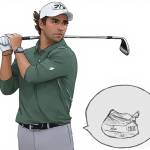
Shoulder stability for golf plays a crucial role in creating solid ball contact and consistent distance. Without stable shoulders, the clubface wobbles, timing breaks down, and accuracy suffers. Therefore, if you want cleaner strikes and more control, you must build stronger and more stable shoulders.
Many golfers focus only on grip and stance. However, the upper body controls the swing arc and face alignment. When your shoulders stay stable through impact, you compress the ball more effectively. As a result, your shots fly straighter and feel more solid.
In this guide, you will learn how shoulder control influences contact. You will also discover exercises, drills, and practical strategies that improve performance quickly.
Why Stable Shoulders Matter in the Golf Swing
The golf swing relies on rotation. However, rotation without control creates inconsistency. That is where shoulder stability for golf becomes critical.
First, stable shoulders help maintain posture during the backswing. If the lead shoulder collapses or lifts too early, the swing plane changes. Consequently, you may hit thin or fat shots.
Second, stability improves clubface awareness. When the trail shoulder stays controlled, the club returns square more often. This leads to tighter dispersion and more predictable ball flight.
Third, strong and steady shoulders reduce unnecessary tension in the arms. Because of this, your swing feels smoother and more connected. Over time, this connection builds confidence and repeatability.
Finally, improved shoulder control protects your joints. When muscles support the movement correctly, strain decreases. Therefore, you lower your risk of injury while increasing power.
How Shoulder Instability Affects Ball Contact
Unstable shoulders often cause common swing faults. For example, many players over-rotate or sway. As a result, their contact becomes inconsistent.
If your lead shoulder rises too quickly, you may hit the top half of the ball. On the other hand, if your trail shoulder dips excessively, you might strike behind it. In both cases, poor mechanics lead to weak shots.
Additionally, unstable upper-body movement changes your low point control. Because the shoulders guide the swing arc, small errors create major contact issues. Even a slight breakdown can cost distance and accuracy.
Another problem appears during transition. When the shoulders move out of sequence, timing disappears. Therefore, even well-practiced swings can produce unpredictable results.
Fortunately, you can train shoulder stability for golf with focused exercises and swing awareness. Once your shoulders stay steady, your strike improves dramatically.
Understanding Shoulder Mechanics in Golf
To build control, you must understand how the shoulders function. The shoulder joint allows wide movement, yet it depends heavily on surrounding muscles for stability.
The rotator cuff muscles hold the joint in place. Meanwhile, the scapular stabilizers control shoulder blade movement. Together, they create a stable base for rotation.
During the backswing, the lead shoulder moves under the chin. However, it should not collapse inward. At the same time, the trail shoulder rotates behind you without lifting excessively.
In the downswing, the shoulders unwind while maintaining posture. Because of proper shoulder stability for golf, the chest rotates through impact without early extension.
When these mechanics work together, the club stays on plane. Consequently, you strike the ball before the turf and generate crisp compression.
Key Muscles That Support Stability
Several muscle groups influence upper-body control. Strengthening them improves performance quickly.
The rotator cuff stabilizes the shoulder joint during motion. Although these muscles are small, they play a vital role in precision.
The mid-back muscles, including the rhomboids and lower traps, support posture. Therefore, stronger upper-back muscles prevent slouching during the swing.
The core also contributes to control. When the torso stays stable, the shoulders rotate more efficiently. As a result, energy transfers smoothly from the ground up.
Finally, the serratus anterior helps guide shoulder blade movement. Without it, the scapula wings outward, reducing control.
By targeting these areas, you build the foundation needed for shoulder stability for golf and more reliable ball striking.
Best Exercises to Improve Shoulder Control
You do not need complicated equipment to train effectively. Instead, focus on controlled movements that strengthen stabilizing muscles.
Resistance Band External Rotations
Attach a band at waist height. Keep your elbow tucked at your side. Then rotate your forearm outward slowly.
This movement strengthens the rotator cuff. Because of this, your shoulders remain steady during rotation. Perform two to three sets of 12 repetitions per side.
Scapular Wall Slides
Stand against a wall with arms bent at 90 degrees. Slide your arms upward while keeping contact with the wall.
This drill improves shoulder blade control. Therefore, posture and swing mechanics improve together.
Plank Shoulder Taps
Hold a plank position. Gently tap one shoulder with the opposite hand. Keep your hips steady.
This exercise builds core stability and upper-body control simultaneously. Consequently, your swing feels more connected.
Face Pulls
Use a cable machine or band. Pull toward your face while squeezing your shoulder blades.
Face pulls strengthen the upper back. As a result, you maintain posture longer during your round.
Consistent training enhances shoulder stability for golf and supports solid ball contact under pressure.
Golf-Specific Drills for Better Contact
Strength alone is not enough. You must also integrate control into your swing.
Slow Motion Swings
Take half-speed swings while focusing on shoulder rotation. Notice how your chest turns through impact.
Because you move slower, you gain awareness. Over time, your body learns proper sequencing.
Impact Pause Drill
Swing down to impact and pause briefly. Check that your lead shoulder stays stable and your chest faces the target.
This drill builds control and reinforces correct positioning.
Alignment Stick Across Shoulders
Place a stick across your shoulders. Rotate back and through while maintaining posture.
This simple exercise trains consistent rotation. Consequently, your swing path becomes more repeatable.
Practicing these drills regularly improves shoulder stability for golf in real playing situations.
Common Mistakes to Avoid
Many golfers unknowingly sabotage their progress. Therefore, you should recognize these mistakes early.
First, avoid lifting weights too heavy for control. Strength without stability creates imbalance.
Second, do not rush repetitions. Instead, move with purpose and focus on muscle engagement.
Third, avoid neglecting recovery. Muscles need rest to adapt and strengthen.
Another mistake involves over-swinging. Even with strong shoulders, excessive speed can reduce control. Focus on balance and rhythm.
Finally, do not ignore posture. Slouching reduces shoulder effectiveness immediately.
By avoiding these errors, you protect your progress and maintain shoulder stability for golf over time.
How Stability Improves Distance and Accuracy
Stable shoulders directly influence energy transfer. When your upper body stays connected, force travels efficiently from the ground to the clubhead.
Because of improved sequencing, you strike the ball more cleanly. Clean strikes produce higher ball speed and better compression.
In addition, stable rotation controls the clubface. Therefore, side spin decreases and shots fly straighter.
You may also notice better trajectory control. When your shoulders remain steady, you manage launch conditions more effectively.
Over several rounds, these improvements compound. As a result, consistency replaces frustration.
Ultimately, shoulder stability for golf helps you play smarter, not just harder.
Building a Weekly Stability Routine
To see results, you must train consistently. However, you do not need hours in the gym.
Start with two or three sessions per week. Each session can last 20 minutes.
Include two strength exercises and one swing drill. Focus on quality rather than quantity.
Additionally, warm up before practice rounds. Light band work activates stabilizing muscles.
After several weeks, you will feel increased control. More importantly, you will trust your motion under pressure.
Make shoulder stability for golf part of your long-term plan, not just a temporary fix.
Long-Term Benefits Beyond Ball Contact
Improved control does more than enhance contact. It also protects your body and supports longevity in the game.
As you age, joint stability becomes even more important. Therefore, investing in strength now prevents setbacks later.
Better shoulder mechanics also reduce fatigue during long rounds. When muscles work efficiently, you conserve energy.
Confidence grows as well. Because you strike the ball solidly more often, mental clarity improves.
Over time, these small gains create lasting progress. That is why shoulder stability for golf remains a foundational skill for players at every level.
Conclusion: Build Stability for Reliable Strikes
Solid ball contact does not happen by accident. It comes from controlled rotation, balanced sequencing, and strong stabilizing muscles.
By prioritizing shoulder stability for golf, you create a reliable swing foundation. As a result, your shots feel cleaner and more predictable.
Start with simple exercises. Then integrate golf-specific drills. Stay consistent and focus on quality movement.
With steady practice, your shoulders will support powerful and accurate swings. Ultimately, you will enjoy more confident rounds and lower scores.
FAQ
- How does upper-body control improve ball striking?
Stable shoulders guide the swing arc and control the clubface. As a result, contact becomes more consistent and powerful. - Can beginners benefit from shoulder training?
Yes. In fact, newer players often see quick improvements because better control reduces common swing errors. - How often should I train these muscles?
Two to three sessions per week works well. Consistency matters more than intensity. - Will this help reduce shoulder pain?
Proper strength and control can reduce strain. However, consult a medical professional if pain persists. - What is the fastest way to improve contact consistency?
Combine controlled strength exercises with slow, focused practice swings to reinforce proper mechanics.