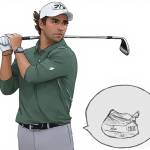
If you’ve ever wondered why your shots feel inconsistent, the problem might not be your swing—it could be your body. Golf is a sport built on movement, balance, and control. The best swings come from bodies that move well, not just fast. So, if you want to strike the ball more solidly and consistently, improving your fitness is the secret ingredient you’ve been missing.
The truth is, your swing is only as good as the body that makes it. If your hips are tight, your shoulders stiff, or your core weak, no amount of swing tips will create consistent contact. But here’s the good news: you don’t need a gym full of equipment or a complex workout plan. A few simple golf fitness moves can completely transform how you move—and how you strike the ball.
Let’s explore the essential exercises every golfer should know to build stability, mobility, and power for better ball striking.
Why Golf Fitness Matters for Ball Striking
Golf might look effortless, but behind every smooth, powerful swing lies a foundation of athletic movement. Each shot requires your body to rotate, balance, and transfer weight in a controlled motion—all while maintaining precise contact with the ball.
When your body can’t perform those movements efficiently, your swing compensates. You might stand up early, sway, or overuse your arms to make up for what your body can’t do. The result? Mishits, loss of distance, and frustration.
That’s why golf fitness matters. It’s not about bulking up or running marathons—it’s about training the muscles and joints that make your swing consistent and repeatable.
Strong glutes stabilize your lower body. A mobile spine allows for full rotation. A solid core keeps you balanced through impact. When those areas are working together, your ball striking improves instantly.
The Connection Between Mobility and Consistency
One of the most overlooked elements of great ball striking is mobility—the ability to move freely without restriction. Many golfers think stiffness is just part of aging, but tightness in the hips, shoulders, or back directly affects how the club moves through the ball.
For example:
- Tight hips limit rotation, leading to swaying or sliding.
- Stiff shoulders reduce your backswing and cause loss of power.
- A rigid spine prevents proper turn and rhythm.
The body and swing are connected. Every movement you make (or can’t make) influences your shot. Increasing mobility gives your swing room to breathe—literally. You’ll turn more naturally, find better rhythm, and make solid contact without forcing it.
The following golf fitness moves are designed to improve both mobility and stability, helping you strike the ball with effortless precision.
Simple Golf Fitness Moves for Better Ball Striking
1. Cat-Cow Stretch (Spinal Mobility)
Your spine is the engine of your swing. If it’s locked up, your shoulders can’t turn properly, and your contact suffers. The cat-cow stretch keeps your spine flexible and strong.
How to do it:
- Start on all fours, with hands under shoulders and knees under hips.
- Inhale as you arch your back, lifting your chest and tailbone (cow).
- Exhale as you round your back, pulling your navel toward your spine (cat).
- Move slowly and fluidly for 10–15 reps.
Why it helps:
It increases spinal mobility, which allows for smoother shoulder rotation and better posture through the swing.
2. Hip Rotations (Hip Flexibility)
Tight hips are a golfer’s nightmare. They prevent you from rotating properly, often leading to swaying or early extension.
How to do it:
- Sit on the ground with your knees bent and feet flat.
- Drop your knees side to side while keeping your chest tall.
- Perform 15–20 slow reps, feeling the stretch in your hips.
Why it helps:
Freeing up your hips allows for better lower-body rotation and more consistent weight transfer during your swing.
3. Glute Bridge (Lower Body Stability)
Your glutes play a massive role in controlling your hip turn and stabilizing your downswing. If they’re weak, your lower body becomes unstable—and your contact inconsistent.
How to do it:
- Lie on your back with knees bent and feet flat on the floor.
- Engage your core and lift your hips until your body forms a straight line.
- Squeeze your glutes at the top, then lower slowly.
- Do 3 sets of 15 reps.
Why it helps:
Strong glutes anchor your swing, providing balance and power during impact.
4. Shoulder Rotations with a Band (Upper Body Mobility)
Shoulder tightness limits your backswing and follow-through. This exercise loosens your shoulders while strengthening the small stabilizing muscles that protect your joints.
How to do it:
- Use a resistance band anchored at chest height.
- Hold the band with one hand, elbow bent at 90 degrees.
- Rotate your arm outward slowly, keeping your elbow close to your side.
- Do 2–3 sets of 12–15 reps per side.
Why it helps:
Better shoulder mobility means a fuller, more controlled turn—and improved accuracy.
5. Seated Torso Rotations (Core Control)
Your core is the bridge between your upper and lower body. This move strengthens your core while training it to rotate under control, just like in your golf swing.
How to do it:
- Sit on a bench or chair with your knees together.
- Hold a club across your shoulders.
- Rotate your torso slowly from side to side, keeping your hips stable.
- Perform 10 rotations each way.
Why it helps:
This trains your core for controlled rotation, improving swing sequence and contact consistency.
6. Lunge with Twist (Dynamic Rotation)
This move builds balance, hip mobility, and rotational power all in one.
How to do it:
- Step forward into a lunge, keeping your front knee over your ankle.
- Rotate your torso toward your front leg, keeping your arms extended.
- Return to start and repeat on the other side.
- Do 10 reps per leg.
Why it helps:
It teaches your body to rotate through your legs and hips, not your arms—key for consistent, powerful contact.
7. Plank to Downward Dog (Core Strength + Flexibility)
This hybrid move builds core stability while stretching your shoulders and hamstrings—two critical areas for golf movement.
How to do it:
- Start in a plank position, hands under shoulders, core tight.
- Push your hips up and back into a downward dog.
- Hold briefly, then return to plank.
- Repeat for 10–12 reps.
Why it helps:
A stable core supports a steady spine angle throughout your swing, preventing mishits caused by loss of posture.
8. Cable or Band Rotations (Functional Power)
Once you’ve built stability and mobility, it’s time to add rotational power—the secret to compressing the ball with authority.
How to do it:
- Anchor a resistance band or use a cable machine at mid-height.
- Stand sideways to the anchor, holding the handle with both hands.
- Rotate your torso away from the anchor, keeping your arms extended.
- Control the return. Perform 10–15 reps per side.
Why it helps:
This mimics the golf swing’s rotational motion, training your core, shoulders, and hips to move in sync.
How Golf Fitness Moves Improve Ball Striking
Each of these exercises targets a part of your swing’s foundation—mobility, stability, and strength. But together, they do something even more powerful: they synchronize your movement.
When your body moves efficiently, your swing follows suit. You’ll:
- Rotate fully without forcing it.
- Maintain posture and balance through impact.
- Create effortless speed and compression.
- Eliminate compensations that cause thin, fat, or off-center hits.
Golf isn’t about how strong you are—it’s about how well you move. These fitness moves teach your body to move like a golfer, not just swing like one.
The Mind-Body Connection in Golf Fitness
Golf fitness isn’t just physical—it’s deeply mental. Every exercise helps you become more aware of how your body moves in space. This “body awareness” is what allows you to repeat a great swing under pressure.
When your body feels balanced and mobile, your mind relaxes. You stop thinking about mechanics and start trusting your motion. That’s where consistency comes from—not from memorizing swing positions, but from feeling how your body should move naturally.
So, while these exercises strengthen your muscles, they also strengthen your confidence.
How to Integrate Golf Fitness into Your Routine
You don’t need hours of training to feel the difference. Just 10–15 minutes a few times a week can dramatically improve your flexibility and ball striking.
Here’s a simple plan:
Warm-up (Daily before golf or range):
- Cat-Cow Stretch (10 reps)
- Hip Rotations (15 reps)
- Shoulder Rotations (10 reps each arm)
Golf Fitness Session (3x per week):
- Glute Bridge – 3 sets of 15
- Lunge with Twist – 3 sets of 10 per side
- Cable Rotations – 3 sets of 12 per side
- Seated Torso Rotations – 2 sets of 10
Cool-down (Post-round or workout):
- Downward Dog holds
- Light hip stretches
- Deep breathing for recovery
The key is consistency. Over time, these moves will build the foundation for better balance, smoother rotation, and cleaner impact.
Conclusion
You don’t need to change your swing to improve your ball striking—you just need to change how your body moves. By adding simple golf fitness moves to your routine, you can unlock smoother rotation, better posture, and more consistent contact.
Remember, the most powerful swings come from strong, mobile, and balanced bodies. Every time you stretch, stabilize, or strengthen, you’re not just improving fitness—you’re building a more efficient, repeatable golf swing.
So next time you head to the range, warm up your body first. Because when your body moves better, every shot feels effortless.
FAQ
1. How often should I do golf fitness exercises?
Aim for 3–4 sessions per week, with shorter daily stretches to maintain mobility and improve performance.
2. Can golf fitness moves help senior golfers?
Absolutely. These exercises improve flexibility and strength safely, helping senior golfers maintain power and consistency.
3. Do I need equipment for golf fitness?
Most exercises use just body weight or a resistance band. You don’t need a gym to get started.
4. How long before I see results?
You’ll notice improvements in mobility and contact within 2–3 weeks of consistent practice.
5. Should I do these moves before or after practice?
Dynamic stretches work best before golf, while static holds and mobility work are ideal after your round.