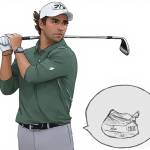
You take your stance, line up your shot, swing—and thud. The ball shoots low, slices off to the right, or barely makes it off the ground. It’s a feeling every golfer knows all too well. The culprit? More often than not, it’s not your club or even your grip—it’s your body mechanics.
Golf is a game of precision, rhythm, and balance. Every part of your body, from your feet to your shoulders, plays a role in creating clean contact. But when just one link in the chain breaks down, mishits happen. The good news is that most of these issues are fixable once you understand what’s going wrong.
Let’s look at the top seven body mechanic errors that lead to inconsistent contact—and how to correct them for more solid, repeatable swings.
1. Poor Posture at Address
Before you even move the club, your posture sets the foundation for everything that follows. A poor setup position makes consistent ball striking nearly impossible.
When your spine angle is off—too upright, too hunched, or too rigid—it affects your ability to rotate efficiently. If you slouch, your arms get restricted. If you stand too tall, you lose balance and swing control.
How to fix it:
- Stand tall, then hinge from your hips (not your waist).
- Keep your back straight but relaxed.
- Let your arms hang naturally below your shoulders.
- Feel slight pressure in the balls of your feet, ready for athletic movement.
A simple checkpoint is to make sure your weight feels centered and balanced before you start your swing. When your setup is solid, your swing has a better chance of staying on plane and striking the ball squarely.
2. Limited Shoulder Turn
One of the most common golf body mechanic errors is failing to make a full shoulder turn. Many golfers take the club back with their arms while their torso barely rotates. The result? A weak, armsy swing that struggles to generate consistent contact or distance.
A full shoulder turn allows your body to coil properly and build energy. It also keeps your swing sequence intact, letting your arms and hands follow naturally through impact.
How to fix it:
- During your backswing, feel your left shoulder (for right-handed golfers) move under your chin.
- Keep your spine angle stable and avoid standing up.
- Allow your hips to rotate slightly to support your turn.
If you practice slow-motion swings in front of a mirror, focus on turning your chest away from the target instead of just lifting the club with your arms. The difference in feel—and power—is dramatic.
3. Improper Weight Transfer
Golf is all about balance and rhythm. If your weight doesn’t shift properly from your trail side to your lead side, your swing loses both power and precision. Many players either hang back on their rear foot or slide excessively forward, causing mishits like tops, chunks, or weak fades.
Signs of poor weight transfer:
- You finish your swing leaning backward.
- Your back foot stays flat after impact.
- Your divots are behind the ball or nonexistent.
How to fix it:
- At address, start with balanced weight distribution.
- As you swing back, let your weight shift slightly into your trail heel.
- On the downswing, push off your trail foot and rotate toward your lead side.
- Finish with your belt buckle facing the target and your back heel off the ground.
The key is to rotate, not slide. A proper weight shift feels natural and fluid, like a smooth rhythm between your backswing and follow-through.
4. Overactive Hands and Arms
Many golfers try to steer the ball with their hands. They flip, scoop, or manipulate the clubface, thinking it will fix contact. Unfortunately, it only makes things worse.
Overusing your hands and arms disrupts timing and ruins the sequencing of your swing. Instead of the big muscles (hips and shoulders) leading, your smaller muscles take over—resulting in inconsistent strikes and erratic direction.
How to fix it:
- Focus on using your body to power your swing, not your hands.
- Keep your arms connected to your chest throughout the motion.
- At impact, your lead wrist should be flat, not cupped.
Try hitting a few half-swings while keeping your arms quiet and your torso driving the motion. You’ll start to feel how true power and control come from your body, not your hands.
5. Early Extension (Standing Up During the Swing)
Early extension happens when your hips move toward the ball during the downswing, causing your upper body to rise. This move disrupts your spine angle and changes the club’s path—leading to thin, topped, or shanked shots.
It’s one of the most common golf body mechanic errors because it’s often caused by poor balance or a weak core. When your body can’t stay stable through rotation, it compensates by standing up to find space.
How to fix it:
- Strengthen your core with exercises like planks and rotational twists.
- Focus on maintaining your posture from setup through impact.
- During practice swings, feel like your hips are rotating around your spine instead of toward the ball.
If you can keep your chest over the ball while your hips clear naturally, your contact will become much more consistent.
6. Inconsistent Hip Rotation
Your hips control much of your swing’s timing and power. When they rotate too early, too little, or too much, the entire motion falls apart.
Many players either “lock up” their hips, preventing a proper turn, or spin them open too quickly, leaving the upper body trailing. Both lead to off-center hits and loss of control.
How to fix it:
- Allow your hips to rotate freely on the backswing—about 45 degrees is ideal.
- On the downswing, initiate movement by turning your hips toward the target.
- Keep your lead leg stable to support rotation through impact.
A great drill is the “step-through” drill: swing normally, but after impact, step forward with your trail foot. This teaches your body the feeling of dynamic balance and natural hip movement.
7. Loss of Spine Angle
Maintaining your spine angle is crucial for clean, repeatable contact. When you lift your upper body or sway off the ball, your swing plane changes, and you’ll either top the ball or hit it fat.
Loss of spine angle often comes from tension or overexertion. Golfers try to “hit” the ball instead of swinging through it, causing their posture to break down.
How to fix it:
- Set your spine angle at address by hinging at the hips.
- Keep your head steady throughout the swing without dipping or rising.
- Focus on turning around your spine—not moving side to side.
A simple checkpoint: after impact, your spine should still tilt slightly toward the target, not straight up. That shows you’ve stayed in posture through contact.
The Chain Reaction of Bad Body Mechanics
Each of these errors affects the others. Poor posture limits your shoulder turn. A weak core causes early extension. Bad weight transfer throws off hip rotation. Golf is a connected system—when one part fails, everything else follows.
That’s why fixing your body mechanics isn’t just about correcting one move. It’s about building a sequence of movement that works together. When your posture, rotation, and balance align, you don’t need to force your swing. Everything happens smoothly, and contact becomes effortless.
How to Train Better Body Mechanics
Improving your swing starts with body awareness. You can’t fix what you can’t feel. The next time you practice, focus less on where the ball goes and more on how your body moves.
Try these training methods:
- Mirror Work: Watch your swing in slow motion and check for posture and rotation consistency.
- Video Feedback: Record your swing from down-the-line and face-on angles. Look for signs of standing up or swaying.
- Balance Drills: Hit shots with your feet together to train stability and centered rotation.
- Core Training: Strengthen your torso to support your spine and prevent early extension.
- Flexibility Routines: Add stretches for your hips, shoulders, and thoracic spine to increase range of motion.
These small habits build muscle memory. Over time, your body will naturally move the right way without conscious effort.
The Feel of a Great Swing
When your body mechanics are correct, your swing feels different. It’s smoother, more balanced, and surprisingly effortless. You don’t have to “hit” the ball—it simply gets in the way of your motion.
You’ll notice:
- Better compression and sound at impact.
- Longer, straighter shots without extra effort.
- A balanced finish where you could hold your pose.
That’s what consistent ball striking feels like—harmony between your body and your swing.
Conclusion
Every golfer wants consistency, and the key lies in your body mechanics. Posture, rotation, weight transfer, and balance all work together to create solid, repeatable contact. When one part is off, mishits follow.
By understanding and correcting these top seven golf body mechanic errors, you’ll not only eliminate thin and fat shots—you’ll build a foundation for lasting improvement. Remember, golf is a movement sport. Master your motion, and the results will take care of themselves.
FAQ
1. What’s the biggest body mechanic mistake most golfers make?
Poor posture and limited rotation are the two most common errors that lead to inconsistent contact.
2. How can I tell if I’m losing my spine angle during the swing?
Record your swing. If your head rises or your back straightens through impact, you’re losing your spine angle.
3. Can flexibility training really improve my golf mechanics?
Yes. Increased flexibility in your hips, shoulders, and spine allows for smoother, more powerful rotation.
4. What’s the best way to improve my weight transfer?
Practice the step-through drill or hit half shots focusing on finishing fully on your lead side.
5. How long does it take to fix poor body mechanics?
With consistent practice and awareness, noticeable improvements can appear in as little as two to four weeks.