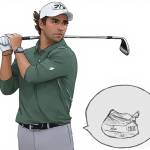
Stronger Core = Stronger Swings
Ask any pro golfer what fuels their distance, and you’ll hear one word over and over: core. That’s why core workouts for golfers are essential—not just for power, but for posture, rotation, and consistency.
In this guide, we’ll break down the best core workouts specifically designed for golfers. These aren’t bodybuilder crunches—they’re functional, swing-focused moves that build rotational strength, stability, and speed.
Why Core Strength Is Crucial for Golfers
Your swing is a rotation. And guess what rotates? Your core. If your midsection is weak or tight, it shows up in your distance, consistency, and even your balance.
Benefits of a golf-strong core include:
- Increased clubhead speed
- More stable posture throughout the swing
- Better energy transfer from lower to upper body
- Reduced low back pain
- Longer, more consistent ball striking
The Best Core Exercises for Golfers
These exercises require minimal equipment and can be done 3–4 times a week. Focus on control, form, and breathing. Power comes from quality—not speed.
1. Dead Bug (2–3 sets of 10 reps per side)
Why it works: Builds deep core stability, protecting the spine while mimicking swing control.
How to do it:
- Lie on your back, knees bent at 90°, arms straight above you
- Extend one leg and opposite arm out while keeping your core braced
- Return to center, then switch sides
Pro tip: Keep your lower back pressed into the floor.
2. Russian Twists (2–3 sets of 20 reps total)
Why it builds power: Trains rotational strength—key for generating torque during your backswing and downswing.
How to do it:
- Sit with knees bent, heels on the floor
- Lean back slightly, brace your core
- Twist torso left and right, tapping floor on each side
- Use a medicine ball or light weight for extra challenge
3. Plank with Reach (2–3 sets of 30–60 seconds)
Why it’s functional: Builds total-body stability and shoulder control, both essential for solid setup and posture.
How to do it:
- Start in a forearm plank
- Slowly extend one arm forward, then return
- Alternate sides while keeping hips steady
Modify: Drop to your knees to scale down.
4. Standing Cable Rotations or Band Rotations (3 sets of 10 reps per side)
Why it mimics the swing: This movement pattern directly trains your rotation and resistance control.
How to do it:
- Attach a resistance band or cable at waist height
- Stand with feet shoulder-width apart
- Rotate torso away from the anchor point, arms extended
- Slowly return with control
Control > speed here. Feel the core doing the work.
5. Side Plank (2 sets of 30–45 seconds per side)
Why it’s a must: Trains the obliques, spine stabilizers, and glutes—perfect for maintaining swing balance.
How to do it:
- Lie on your side, forearm under shoulder
- Lift hips into a straight line
- Hold steady—don’t sag or rotate
Too hard? Drop your bottom knee for support.
6. Bird Dog (2 sets of 10 reps per side)
Why it’s sneaky-effective: Promotes stability while teaching your core and glutes to coordinate movement.
How to do it:
- On hands and knees
- Extend opposite arm and leg
- Hold briefly, then return
- Avoid wobbling—go slow and stay controlled
7. Medicine Ball Rotational Slams (2–3 sets of 8–10 reps per side)
Why it builds power: Trains explosive core rotation—just like your swing’s impact zone.
How to do it:
- Stand with feet shoulder-width
- Holding a medicine ball, rotate and slam it diagonally across your body
- Repeat to the other side
Only do these if you’ve built up core control first.
8. Glute Bridge with March (2 sets of 10 reps per leg)
Why it’s included: Glutes and core work together to create a strong base for your swing.
How to do it:
- Lie on your back, knees bent
- Lift hips into a bridge
- While keeping hips stable, lift one foot off the ground at a time
Engage abs the entire time—don’t let hips dip.
Sample Weekly Core Routine (No Gym Required)
Start your week with Day 1:
- Dead Bug
- Russian Twists
- Plank with Reach
Midweek, move into Day 3’s routine:
- Bird Dog
- Cable/Band Rotations
- Glute Bridge March
Finish strong on Day 5:
- Side Plank
- Medicine Ball Slams
- Dead Bug (again, yes—it’s that good)
Stretch or foam roll after each session for best results.
Conclusion
You don’t need a gym membership or fancy equipment to build a golf-ready core. Just 15–20 minutes a few times a week can give you the strength, balance, and rotational power to add yards to your drive and control to your swing. The key? Be consistent, stay focused, and prioritize form over reps.
Swing harder. Move better. Play longer.
FAQs
- How often should golfers train their core?
2–4 times per week is ideal, depending on intensity and overall activity level. - Can core exercises help with back pain?
Yes—when done correctly, they stabilize the spine and reduce strain during the swing. - Do I need gym equipment for these workouts?
Nope! Most exercises can be done at home with a mat, resistance band, or light medicine ball. - Will stronger abs automatically increase my distance?
Not by themselves—but a stronger core improves your ability to rotate, transfer energy, and stabilize your swing. - Are these exercises good for senior golfers too?
Yes! Start with bodyweight versions, and focus on control and mobility over intensity.