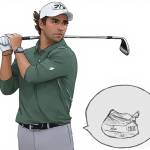
Focus Keyphrase: body awareness for swing control
SEO Title (H1): Body Awareness for Swing Control: Improve Your Game
Slug: body-awareness-for-swing-control
Meta Description: Improve body awareness for swing control and gain consistency, balance, and power in every shot.
Excerpt: Body awareness for swing control helps you feel every movement in your swing. When you train awareness, you unlock smoother tempo, better balance, and consistent contact.
Body Awareness for Swing Control: Improve Your Game
Why Body Awareness for Swing Control Changes Everything
Body awareness for swing control is the hidden skill most golfers ignore. Yet it might be the missing link between frustration and fluid motion. You can buy new clubs. You can watch endless videos. However, if you cannot feel your own body in motion, progress will stall.
Think of your swing like a dance. If you step without rhythm, you stumble. If you move without awareness, you lose balance. The same principle applies on the course. When your brain understands where your body is in space, your swing becomes predictable.
In simple terms, body awareness means sensing how your hips, shoulders, arms, and feet move together. It is the internal GPS of your swing. Without it, you rely on guesswork. With it, you develop control.
Moreover, better body awareness for swing control leads to fewer compensations. You stop overusing your hands. You stop swaying off the ball. Instead, your motion feels connected.
Many golfers chase positions. They freeze their swing on video and analyze angles. While that can help, real improvement happens when you can feel those positions naturally. That is where awareness transforms your performance.
Understanding the Connection Between Awareness and Swing Control
Swing control is not about stiffness. It is about coordination. When awareness improves, timing improves. As a result, your swing becomes repeatable.
Imagine driving a car with loose steering. You would constantly correct the wheel. That is how many golfers swing. They react mid-swing because they lack body awareness. Consequently, the clubface becomes unpredictable.
On the other hand, golfers who train body awareness for swing control move with intention. They know when their weight shifts. They feel when their shoulders rotate fully. Therefore, they make adjustments before contact rather than after a mishit.
In addition, awareness enhances tempo. When you feel your transition clearly, you stop rushing from the top. Your downswing begins smoothly. The ball flight becomes more consistent.
Interestingly, many elite athletes spend more time training awareness than strength. They understand that precision beats force. Although power matters, controlled motion produces reliable distance.
So instead of asking, “How do I swing harder?” ask, “Do I feel my swing clearly?” That small shift changes everything.
How Poor Body Awareness Disrupts Swing Control
Without body awareness for swing control, common swing faults appear. You might slide instead of rotate. You might lift the club instead of turning your torso. These errors feel normal because your brain does not detect them.
Furthermore, tension often increases when awareness decreases. When you cannot sense your body’s movement, you grip tighter. You try to steer the ball. As a result, fluidity disappears.
Another issue is balance. Many golfers finish off-balance and wonder why. However, the problem usually begins at setup. If you are unaware of your weight distribution at address, instability follows throughout the swing.
Poor awareness also affects sequencing. The swing should flow from ground to hips to torso to arms. Yet if you cannot feel that chain reaction, you may start the downswing with your shoulders. That early move costs power and accuracy.
Even more frustrating, you may practice for hours without improvement. Repetition without awareness simply repeats mistakes. Therefore, body awareness for swing control must become part of your training routine.
The good news is that awareness can be developed. It is not a gift reserved for professionals. It is a skill anyone can train.
Practical Ways to Improve Body Awareness for Swing Control
Improving body awareness for swing control starts with slowing down. Speed hides flaws. Slowness reveals them.
Begin with half-speed swings. As you move, ask yourself simple questions. Where is your weight? Are your shoulders turning fully? Do your hips initiate the downswing? This mental checklist builds internal feedback.
Next, practice without a ball. Removing the ball reduces pressure. Consequently, you focus on movement rather than outcome. Feel the stretch in your torso during the backswing. Notice how your weight shifts to your lead foot.
Mirror work also helps. Stand in front of a mirror and rehearse your takeaway. Visual input strengthens awareness. However, close your eyes afterward and repeat the motion. If it feels different, your awareness needs refinement.
Balance drills are equally powerful. For example, hit soft shots while standing with your feet together. This exercise forces your body to stabilize. Although it may feel uncomfortable at first, it enhances control quickly.
Another effective tool is breathing. Deep breathing reduces tension. When tension drops, sensitivity rises. You begin to feel subtle movements that were previously hidden.
In addition, light resistance bands can highlight movement patterns. When you attach a band to your hips and rotate, you sense the direction of force. This feedback strengthens body awareness for swing control.
Finally, incorporate mindful practice. Instead of hitting bucket after bucket mindlessly, pause between shots. Reflect on what you felt. Awareness grows in those quiet moments.
Using Body Awareness to Improve Swing Control Under Pressure
Training body awareness for swing control on the range is one thing. Applying it under pressure is another. However, awareness becomes even more valuable during competition.
Pressure narrows focus. Many golfers fixate on outcome. They think about hazards, score, or distance. As a result, they disconnect from their body. Mistakes increase.
Instead, shift attention inward. Before each shot, take a breath. Feel your feet on the ground. Notice your posture. This simple reset anchors you in the present moment.
Moreover, develop a consistent pre-shot routine. When your routine includes awareness cues, control improves. For example, you might remind yourself to feel your weight shift during the practice swing. That cue reinforces movement patterns.
If tension rises, slow down. Awareness thrives in calm conditions. Although nerves are natural, you can manage them through breathing and deliberate setup.
Interestingly, body awareness also improves recovery shots. When you sense your balance and alignment clearly, creativity increases. You trust your motion.
Over time, awareness becomes automatic. You no longer analyze every detail consciously. Instead, your body responds smoothly. Swing control feels effortless.
Long-Term Benefits of Body Awareness for Swing Control
The advantages of body awareness for swing control extend beyond performance. First, injury risk decreases. When you move efficiently, stress on joints reduces. Your body works as a unit rather than isolated parts.
Second, consistency improves dramatically. Because you understand your movement patterns, you recognize small changes quickly. Early corrections prevent major slumps.
Additionally, confidence grows. Confidence is not blind belief. It is trust built on awareness. When you feel your swing clearly, you step onto the tee with certainty.
Over months of focused training, subtle shifts appear. Your finish becomes balanced. Your contact feels solid. Even mishits provide useful feedback.
Eventually, the game feels simpler. Instead of chasing technical tips, you refine sensations. Golf transforms from mechanical struggle to coordinated motion.
Body awareness for swing control is not flashy. It does not promise overnight miracles. Yet it builds a foundation that supports every other skill.
When you invest in awareness, you invest in control. And when control improves, performance follows naturally.
Conclusion: Master Your Swing by Mastering Awareness
Body awareness for swing control is the quiet advantage that separates inconsistent swings from reliable ones. It strengthens balance, sharpens sequencing, and enhances tempo. Although it requires patience, the rewards are lasting.
By slowing down, practicing mindfully, and tuning into your body’s signals, you build true control. Over time, your swing becomes smoother and more repeatable. Most importantly, you gain confidence rooted in understanding, not guesswork.
If you want better results, start with awareness. Feel your movement. Trust the process. Swing control will follow.
FAQs
- What is body awareness for swing control?
Body awareness for swing control is the ability to sense how your body moves during the golf swing. It helps you coordinate balance, rotation, and timing. - How can I improve body awareness quickly?
You can improve awareness by practicing slow swings, using mirrors, focusing on balance drills, and reflecting on how each movement feels. - Does body awareness increase distance?
Yes, improved awareness can increase distance because proper sequencing and balance allow you to transfer energy more efficiently. - Can beginners benefit from body awareness training?
Absolutely. Beginners who develop body awareness early build strong fundamentals and avoid ingrained swing faults. - How often should I train body awareness for swing control?
Incorporate awareness exercises into every practice session. Even five minutes of focused movement work can make a significant difference over time.