
A successful round of golf doesn’t end on the 18th green. For golfers committed to enhancing their game and ensuring longevity, the period immediately following play is just as crucial as the hours spent practicing your swing. This is where effective golf post-round recovery comes into play, a vital component of a holistic approach to golf performance.
Why Post-Round Recovery Matters for Every Golfer
The physical demands of golf are often underestimated. A typical round involves hours of walking, repetitive rotational movements, and bursts of explosive power. This exertion can lead to muscle fatigue, minor tears, and dehydration. Furthermore, if these issues are not addressed, they can hinder progress, increase injury risk, and shorten your playing career. The industry trend towards pre-hab over rehab highlights the importance of proactive measures. Importantly, post-round recovery is a cornerstone of this philosophy. By prioritizing recovery, you’re not just alleviating immediate discomfort; you’re investing in your future performance and overall well-being. Consequently, this aligns perfectly with the growing appreciation for golf as a premier wellness activity.
Immediate Steps: Hydration and Nutrient Replenishment
The first and most critical aspect of post-round recovery is rehydration. During a four-hour round, especially on a warm August day, your body can lose significant fluids and electrolytes. Water alone isn’t always enough; therefore, consider electrolyte-rich beverages to restore balance. Aim to consume at least 16-20 ounces of fluid for every pound of body weight lost (though this is hard to measure precisely, aim for consistent intake). Following hydration, focus on nutrient replenishment. A balanced snack or meal within 30-60 minutes post-round, rich in lean protein and complex carbohydrates, will help kickstart muscle repair and restock glycogen stores. Think grilled chicken with quinoa or a recovery smoothie with protein powder and fruit. This immediate action is vital for optimal muscle repair and energy restoration.
Gentle Movement: Stretching and Mobility Work
While intense stretching immediately after a strenuous round might not be ideal, gentle movement and specific mobility work can significantly aid recovery. Focus on the muscle groups most engaged during your swing: the hips, glutes, core, shoulders, and back. Light, dynamic stretches can help improve blood flow and reduce stiffness without overstretching fatigued muscles. Consider a short, 10-15 minute routine that includes:
- Hip Flexor Stretches: Crucial for counteracting the seated posture often adopted during golf cart rides or setup.
- Thoracic Spine Rotations: Gentle twists to maintain the mid-back mobility essential for a fluid swing and to protect the lower back.
- Lat Stretches: To release tension in the large back muscles that power your swing.
- Glute Bridges: To activate and gently strengthen the glutes, supporting hip stability.
These movements align with the shift in golf fitness towards functional mobility, ensuring controlled joint movement and preventing injury. For more insights on enhancing your overall game, explore our Complete Player Program.
The Importance of Active Recovery and Self-Myofascial Release
Beyond immediate hydration and gentle stretching, incorporating active recovery methods and self-myofascial release (SMR) can further enhance your body’s ability to bounce back. Active recovery involves low-intensity activities that promote blood flow without adding stress. For instance, a leisurely walk or a short session on a stationary bike can help flush out metabolic waste products and deliver fresh oxygen and nutrients to tired muscles. This process is beneficial for reducing delayed onset muscle soreness (DOMS).
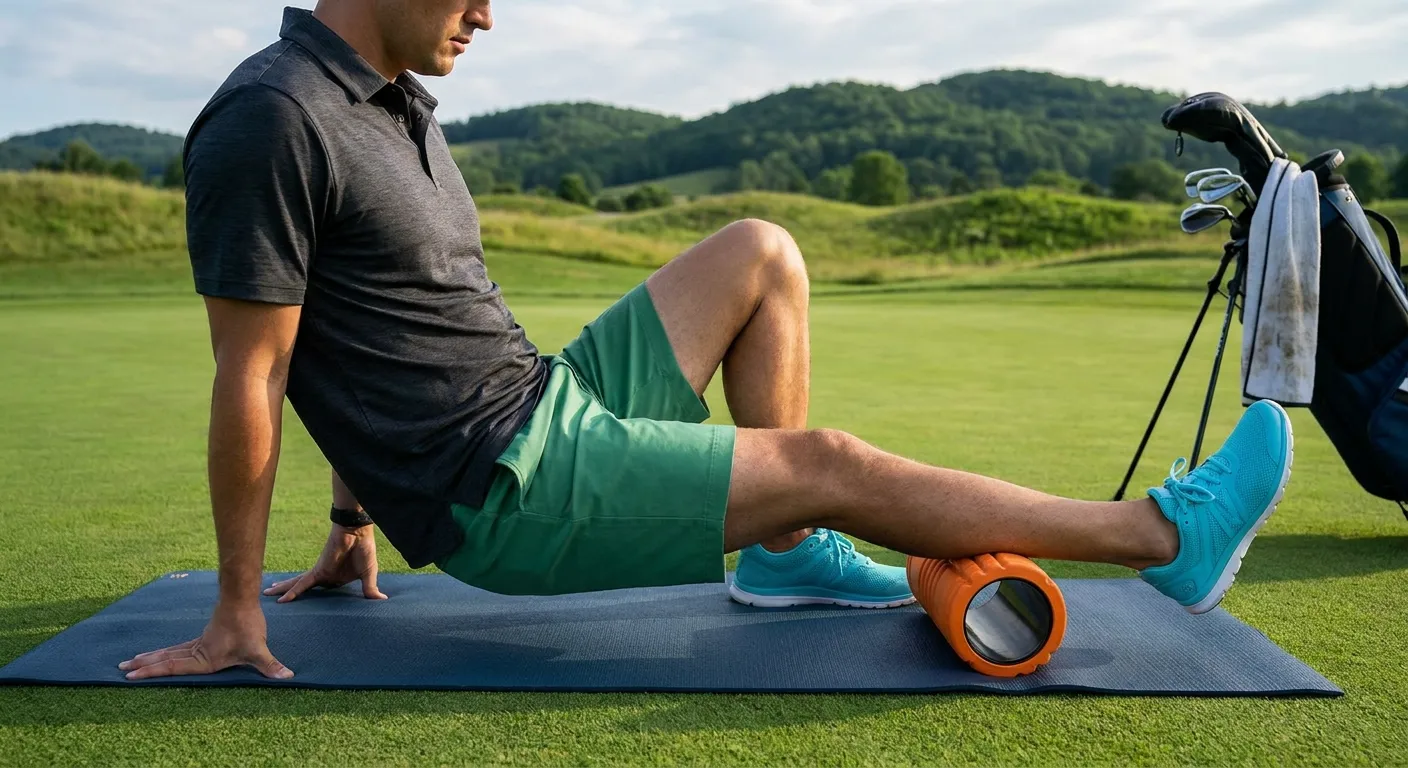
Furthermore, self-myofascial release, often performed with tools like foam rollers or massage balls, can be incredibly effective. By applying pressure to tight spots, you can release muscle knots and improve tissue elasticity. Target areas such as the quads, hamstrings, glutes, and upper back. Spend 30-60 seconds on each tender spot, breathing deeply to allow the muscle to relax. This practice, when done consistently, contributes significantly to long-term flexibility and injury prevention, which are key aspects of a robust golf post-round recovery strategy.
Rest and Sleep: The Ultimate Recovery Tools
Often overlooked, adequate rest and quality sleep are arguably the most powerful recovery tools available to any athlete, including golfers. During sleep, your body undertakes critical repair processes. Growth hormone is released, aiding in tissue repair and muscle growth. Moreover, inflammatory responses are modulated, and energy stores are replenished. Aim for 7-9 hours of uninterrupted sleep each night, especially after a round of golf. Creating a consistent sleep schedule and a relaxing bedtime routine can significantly improve sleep quality. Avoid screens before bed, ensure your bedroom is dark and cool, and consider winding down with a book or meditation. Prioritizing sleep directly impacts your physical and mental readiness for the next round.
Nutrition for Sustained Performance and Recovery
While immediate post-round nutrition is crucial, your overall dietary habits play a foundational role in sustained performance and effective recovery. A diet rich in whole foods, lean proteins, complex carbohydrates, and healthy fats provides the consistent fuel your body needs. Incorporate plenty of fruits and vegetables for their antioxidant and anti-inflammatory properties. These micronutrients help combat oxidative stress caused by physical exertion. Furthermore, consider the timing of your meals; eating balanced meals throughout the day ensures a steady supply of energy and nutrients for muscle repair and general well-being. For professional insights into optimal athletic nutrition, consult resources like the Sports Dietitians Australia website, which offers evidence-based guidance.
Mental Recovery: Beyond the Physical
Golf is as much a mental game as it is a physical one. Therefore, effective golf post-round recovery must also address mental fatigue. The concentration, decision-making, and emotional management required over 18 holes can be draining. Take time to decompress after your round. This might involve reflecting on your performance without judgment, journaling about your experience, or engaging in a relaxing activity. Some golfers find meditation or mindfulness practices beneficial for clearing their minds and reducing stress. Disconnecting from the game for a while allows your mental batteries to recharge, ensuring you return to the course with a refreshed perspective and renewed focus. This holistic approach supports both physical and psychological well-being.
The Role of Proper Gear in Preventing Fatigue
While not strictly a recovery step, using appropriate golf gear can significantly reduce the physical toll of a round, thereby making recovery easier. Well-fitting shoes provide support and stability, reducing strain on your feet, ankles, and knees. Lightweight, moisture-wicking apparel helps regulate body temperature and prevents chafing. Furthermore, properly fitted clubs can reduce the need for compensatory movements, minimizing stress on your joints and muscles. Investing in quality gear is a proactive step that complements your recovery efforts, helping to prevent excessive fatigue and potential injuries. This integration of proper equipment into your overall strategy contributes to a more comfortable and sustainable golf experience.
Long-Term Strategies for Golfer Longevity
To truly ensure longevity on the course, a consistent and comprehensive approach to well-being is essential. This extends beyond immediate post-round actions to include regular strength training, flexibility work, and cardiovascular conditioning. Building a strong core and stable joints protects your body from the repetitive stresses of the golf swing. Similarly, maintaining good cardiovascular health supports stamina and overall energy levels. Consider working with a golf fitness professional to develop a personalized training plan that addresses your specific needs and goals. Moreover, regular check-ups with healthcare providers can help identify and address any underlying issues before they become significant problems. Embracing these long-term strategies is paramount for a fulfilling and extended golfing career.
When to Seek Professional Guidance
While self-care and diligent golf post-round recovery practices are highly effective, there are times when professional guidance becomes necessary. If you experience persistent pain, discomfort that doesn’t resolve with rest, or a sudden loss of mobility, it’s crucial to consult a healthcare professional. This could include a sports doctor, physical therapist, or chiropractor. They can accurately diagnose the issue and recommend appropriate treatment or rehabilitation. Additionally, if you’re struggling to establish an effective recovery routine or have specific performance goals, working with a certified golf fitness instructor or sports dietitian can provide tailored advice and support. Proactive consultation ensures that minor issues don’t escalate, safeguarding your long-term health and ability to play.
Integrating Recovery into Your Golf Routine
Making golf post-round recovery a non-negotiable part of your routine is key to reaping its full benefits. Just as you schedule practice sessions and tee times, dedicate time for your recovery rituals. Whether it’s a 15-minute stretching session, a dedicated hydration and nutrition window, or ensuring you get adequate sleep, consistency is paramount. Consider it an extension of your commitment to improving your game. By treating recovery with the same importance as your swing mechanics or short game practice, you’ll notice significant improvements in how your body feels, your energy levels, and ultimately, your performance on the course. This intentional approach transforms recovery from an afterthought into a fundamental pillar of your golfing success.
Ultimately, the journey of a golfer committed to longevity and peak performance embraces every aspect of the game, including the crucial hours after the 18th hole. By prioritizing effective golf post-round recovery, you’re not just healing; you’re actively preparing your body and mind for future challenges, ensuring that every swing is supported by a foundation of health and resilience. This dedication to holistic well-being transforms your golf experience, allowing you to enjoy the game you love for many years to come. Furthermore, remember that knowledge is power; continuously educating yourself on best practices, perhaps through resources like golf books, can further enhance your journey.
FAQ
What are the immediate steps after a golf round?
Immediately after finishing your round, the most crucial steps are rehydration and nutrient replenishment. Drink plenty of water or an electrolyte-rich beverage. Follow this with a balanced snack or meal containing lean protein and complex carbohydrates within 30-60 minutes to aid muscle repair and energy restoration.
How does gentle stretching help with golf recovery?
Gentle stretching and mobility work after golf help improve blood flow to fatigued muscles, reduce stiffness, and maintain flexibility. Focus on areas like the hips, glutes, core, shoulders, and back. This prevents muscle soreness and supports long-term joint health.
Why is sleep important for a golfer’s recovery?
Sleep is vital because it’s when your body performs most of its repair and regeneration. During deep sleep, growth hormone is released, aiding tissue repair, replenishing energy stores, and reducing inflammation. Aim for 7-9 hours of quality sleep to optimize your physical and mental readiness.
Can nutrition affect my ability to recover from golf?
Absolutely. Consistent, balanced nutrition is foundational for recovery. A diet rich in whole foods, lean proteins, complex carbohydrates, and healthy fats provides the necessary building blocks and energy for muscle repair, reducing inflammation, and sustaining overall well-being. This supports your body’s ability to bounce back effectively.
When should I consider seeing a professional for post-golf discomfort?
If you experience persistent pain, discomfort that doesn’t improve with rest and self-care, or a noticeable loss of mobility after golf, it’s advisable to consult a healthcare professional. A sports doctor, physical therapist, or chiropractor can diagnose issues and recommend appropriate treatment to ensure your long-term health on the course.