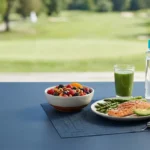
You walk off the 18th green, tired but satisfied, maybe a little sunburned, a little dehydrated, and definitely hungry. You’ve just finished four or five hours of walking, swinging, bending, and focusing—and whether you realize it or not, your body just went through a legitimate athletic event. Golf may not look like a marathon, but your muscles, joints, and brain burn serious energy over a full round.
What you eat and drink after playing determines how quickly you bounce back. Recovery isn’t just about resting—it’s about refueling and rebuilding. The right post-round nutrition can reduce fatigue, ease soreness, and prepare you for your next tee time.
So let’s talk about what to eat and drink for faster golf recovery and how small changes in your nutrition can make a big difference in performance.
Why Golfers Need a Recovery Strategy
Many golfers underestimate the physical toll of a full round. You walk several miles, often carrying or pushing your bag, spending hours in the sun and wind. Even if you ride a cart, your body still absorbs stress from repeated swings, torque, and concentration.
By the time you finish 18 holes, your body’s glycogen stores (its primary energy source) are depleted. You’ve lost fluids through sweat, and your muscles have experienced micro-tears from repeated explosive movement. Without proper recovery nutrition, fatigue lingers, and performance drops the next day.
Here’s the bottom line: recovery nutrition isn’t about eating more—it’s about eating smarter. It helps you restore what your body lost, repair what’s been strained, and recharge for your next round.
The Three Rs of Golf Recovery Nutrition
Think of recovery as a three-step process: Refuel, Rehydrate, and Repair. Each step plays a vital role in restoring energy and muscle function after golf.
1. Refuel with Carbohydrates
Carbs aren’t the enemy—they’re your main source of energy during golf. Every swing, walk, and putt burns glycogen stored in your muscles. After the round, those stores need replenishment.
The ideal time to refuel is within 30–60 minutes after finishing your round. That’s when your body is primed to absorb nutrients efficiently. Choose complex carbohydrates like:
- Brown rice or quinoa
- Whole-grain wraps or bread
- Sweet potatoes
- Oats or granola
Pair them with a little fruit for quick-absorbing sugars—bananas, berries, or an apple all work great.
Pro tip: a turkey sandwich on whole-grain bread or a smoothie with oats and fruit hits the sweet spot for refueling energy stores without feeling heavy.
2. Rehydrate with Electrolytes and Water
Hydration is arguably the most important part of golf recovery—and the most overlooked. Even mild dehydration reduces concentration, balance, and swing accuracy.
You lose more than water on the course—you lose electrolytes like sodium, potassium, and magnesium that keep your muscles firing properly. Replenishing them helps prevent cramps and fatigue.
Here’s what to do post-round:
- Drink 16–24 ounces of water for every pound lost during play.
- Add an electrolyte mix or sports drink to restore minerals.
- Avoid alcohol immediately after play—yes, even that celebratory beer. Alcohol delays recovery and increases dehydration.
If you love something cold after your round, try coconut water—it’s naturally rich in electrolytes and more hydrating than plain water.
3. Repair with Protein
Golf may not feel like a “muscle-tearing” sport, but every swing creates micro-damage in your shoulders, core, and legs. Protein is essential for rebuilding those muscle fibers.
Aim for 20–30 grams of protein within an hour of finishing your round. Lean protein sources work best:
- Grilled chicken or fish
- Eggs or Greek yogurt
- Plant-based protein shakes
- Cottage cheese or tofu
Pair protein with carbohydrates for optimal absorption. A chicken and quinoa bowl, for example, refuels glycogen and repairs muscles simultaneously.
If you’re in a rush, a protein smoothie with banana, spinach, almond butter, and milk (or a milk alternative) gives you both nutrients in one easy drink.
The Best Post-Golf Meals for Faster Recovery
Now that you understand what your body needs, let’s put it all together. The perfect post-golf meal balances carbs, protein, and hydration while keeping your digestion light.
Here are a few meal ideas tailored for golf recovery:
1. The Balanced Bowl
- Grilled salmon
- Brown rice or quinoa
- Steamed broccoli and avocado slices
- Lemon olive oil drizzle
This meal covers all three Rs—healthy fats from salmon and avocado, complex carbs from rice, and hydration-supporting minerals from veggies.
2. The Quick Fix Wrap
- Turkey or chicken breast
- Whole-grain wrap
- Spinach, tomato, and hummus
- Side of fruit
Ideal for on-the-go recovery, this wrap offers protein, carbs, and antioxidants in one handheld package.
3. The Recovery Smoothie
- 1 scoop protein powder or Greek yogurt
- 1 banana
- ½ cup oats
- Handful of spinach
- Almond milk or coconut water
Blend it all together for a refreshing, nutrient-packed shake that hydrates and repairs simultaneously.
What to Drink During the Round to Speed Recovery Later
Recovery doesn’t start after the round—it starts during it. How you hydrate and snack while playing influences how tired or fresh you feel afterward.
Here’s how to stay fueled throughout the round:
- Sip water every 15–20 minutes. Don’t wait until you feel thirsty.
- Include electrolytes in your water if you’re playing in the heat.
- Snack strategically:
- Trail mix with nuts and dried fruit
- Bananas or energy bars
- A small peanut butter sandwich
Avoid sugar-heavy drinks and snacks that cause crashes. Consistent fueling keeps your body balanced, reducing the strain you’ll need to recover from later.
The Role of Antioxidants in Golf Recovery
Golfers often overlook how much oxidative stress the body endures during long rounds—especially under the sun. Oxidative stress leads to inflammation, which slows muscle recovery and increases soreness.
Antioxidants neutralize that inflammation, helping you recover faster. Add these foods to your post-golf meal plan:
- Blueberries and cherries (great for reducing muscle soreness)
- Leafy greens like spinach or kale
- Turmeric and ginger (natural anti-inflammatories)
- Nuts and seeds for vitamin E and healthy fats
You don’t need supplements—just a colorful plate filled with natural foods can deliver the same benefits.
Timing Matters: The Golden Hour of Recovery
The first 30–60 minutes after golf is your “golden window” for recovery. During this time, your muscles are most receptive to replenishment.
Eat a balanced snack or meal that includes carbs and protein, and start rehydrating immediately. Waiting too long can slow recovery, leaving you sluggish and sore the next day.
If you can’t eat a full meal right away, grab something simple:
- A protein bar and sports drink
- A banana with almond butter
- Chocolate milk (yes, really—it has the ideal carb-to-protein ratio)
Consistency matters more than complexity. The key is to give your body what it needs before fatigue sets in.
Supplements That Support Golf Recovery
While whole foods should be your foundation, certain supplements can enhance recovery for regular golfers:
- Magnesium: Helps muscle relaxation and prevents cramps.
- Omega-3 fatty acids: Reduce inflammation and joint stiffness.
- Collagen: Supports tendon and ligament health.
- Vitamin D: Aids bone strength and immunity—especially vital for golfers who spend hours outdoors.
- Electrolyte powder: A convenient way to stay hydrated without added sugars.
Always consult your doctor or nutritionist before adding supplements, especially if you take medications or have health conditions.
What to Avoid After Golf
Not all post-round habits help recovery. Some can actually slow your progress:
- Alcohol: It delays muscle repair and worsens dehydration.
- Greasy foods: They make digestion harder and add inflammation.
- Caffeine overload: While it boosts energy short term, it can disrupt hydration.
- Skipping meals: This is the worst mistake—your body needs fuel to recover, not more stress.
If you enjoy socializing after a round, balance indulgence with smarter choices. Alternate alcoholic drinks with water, and choose lean proteins or grilled options if eating out.
Hydration and Heat Management: A Hidden Factor
If you play in warm conditions, hydration is even more critical. Heat increases electrolyte loss, accelerates fatigue, and can lead to dizziness or muscle cramps.
To stay ahead of dehydration:
- Start hydrating the day before your round.
- Avoid excessive caffeine that dehydrates.
- Add a pinch of sea salt or electrolyte tablets to your water.
Your urine color is a simple indicator: pale yellow means hydrated; dark yellow means you’re behind.
Pre-Round Nutrition for Better Post-Round Recovery
Interestingly, how you eat before your round also affects how well you recover afterward. A balanced pre-round meal ensures steady energy and less physical stress.
Try this 1–2 hours before tee time:
- Oatmeal with fruit and nuts
- Scrambled eggs with whole-grain toast
- A smoothie with banana, spinach, and yogurt
Avoid heavy or greasy foods that slow digestion. A light, balanced meal helps you perform better and recover faster.
Golf Recovery Beyond Nutrition: Rest and Movement
Nutrition does the heavy lifting for recovery, but your lifestyle fills in the gaps. Proper sleep, stretching, and light activity accelerate healing and prevent soreness.
- Stretch post-round: Focus on hamstrings, shoulders, and hips.
- Use foam rollers: They help flush out lactic acid and reduce stiffness.
- Sleep 7–9 hours: This is when your body repairs muscles and resets mentally.
- Walk or do light yoga the next day: Gentle movement aids circulation and reduces tightness.
Think of recovery as active care, not downtime. The better you treat your body, the more consistently you can play well.
Conclusion
Golf recovery nutrition is more than a post-round snack—it’s a performance strategy. Refueling your body with the right mix of carbs, protein, and hydration ensures faster recovery, better energy, and stronger play the next day.
When you focus on what to eat and drink for faster golf recovery, you’re not just recovering—you’re training smarter. The next time you step off the 18th green, skip the beer and reach for something that helps your body repair. Your next round will thank you for it.
FAQ
1. What should I eat right after a round of golf?
Eat a meal or snack with both carbs and protein—like a turkey sandwich or smoothie with fruit and protein powder.
2. How much water should I drink after playing?
Drink 16–24 ounces of water for every pound of body weight lost during your round to fully rehydrate.
3. Can I have a beer after golf?
It’s fine occasionally, but alcohol delays recovery. Drink water or electrolytes first to rehydrate properly.
4. Are supplements necessary for golf recovery?
Not always. Whole foods should come first, but magnesium, omega-3s, or collagen can support frequent golfers.
5. What’s the best quick snack for post-round recovery?
A banana with almond butter, a protein bar, or chocolate milk provides a great carb-protein balance for quick recovery.