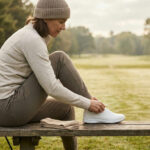
The first few holes can feel easy on your feet. Then a heel starts to rub as you walk from a green to the next tee. By the back nine, a small hot spot can demand more attention than the scorecard. Golf blister prevention is easier when you treat foot comfort as part of the round plan, just like water and weather. A few small decisions about shoes, socks, and timely pauses may help you avoid turning ordinary friction into a painful blister. Golf blister prevention begins with noticing what has rubbed before on your own feet.
This article is for informational purposes only and is not medical advice. A blister can have different causes, and a person with diabetes, poor circulation, reduced feeling in the feet, or another condition affecting healing needs advice from a qualified clinician or podiatrist about foot care. If you are changing your walking routine or managing an injury, check with your doctor first. The practical guidance below draws on the American Academy of Dermatology and the National Health Service.
Why walking golfers need a foot plan
Friction is the central issue. The NHS explains that blisters commonly develop when skin is repeatedly rubbed. A golf shoe that feels acceptable in the car may move against a heel over a long walk. A sock that becomes wet can change how fabric slides inside the shoe. The discomfort may arrive gradually, which makes it tempting to finish one more hole before checking. By then, the skin may already be irritated.
You do not need to guess the exact distance you will walk or promise yourself a blister-free round. The goal is more modest: reduce avoidable rubbing and respond quickly when a hot spot appears. That starts before the tee time, continues through the middle holes, and ends with a quick look at your feet after play. This is a comfort plan, not a medical treatment program.
Golf blister prevention begins with shoe fit
The AAD recommends shoes that fit properly, neither too tight nor too loose, to help prevent foot blisters. For golf, test fit while standing and walking, not only while sitting in a store. Your toes should have room to move without the heel slipping markedly. Notice whether the shoe presses at a seam, grips one side of the forefoot, or rubs the back of the ankle. Those details matter more than a claim printed on a box.
Walk around in a new pair before relying on it for a full round. The NHS suggests wearing new shoes for short periods until they become comfortable. A few short walks let you notice rubbing before you commit to a long day on uneven paths and fairways. Do not assume a painful shoe needs to be “broken in” by enduring a full 18. If a particular spot repeatedly hurts, reconsider the fit or ask a footwear specialist or podiatrist for individual advice.
Check the inside of each shoe before leaving home. A folded insole, small pebble, worn lining, or bunched sock can create a concentrated rub. Tie or fasten both shoes in the way you intend to play, then walk a short distance. Adjusting a lace before the first tee is easier than trying to ignore a slipping heel on the sixth fairway. If you use inserts, check that the combined shoe and insert still leave comfortable room.
Make socks part of golf blister prevention
The AAD recommends nylon or moisture-wicking socks for foot blister prevention. If one pair does not protect your skin adequately, the organization suggests trying two pairs. The NHS also recommends moisture-wicking exercise socks and changing socks frequently when feet become sweaty. These are options to test for your own fit, rather than a reason to buy a particular product. Two pairs can change how a shoe fits, so try that combination before game day.
Keep a clean, dry spare pair in a small bag. On a wet course, or when socks become damp with sweat, a change at the turn can be a practical reset. Sit somewhere safe, dry your feet gently, and check for redness before pulling the fresh pair on. Make sure the replacement sock is smooth at the heel and toe. If a seam or wrinkle sits directly over a tender area, adjust it before standing up.
Think of this as maintenance, not a complicated ritual. Your usual comfortable socks may be enough for nine holes but feel different during a longer, wetter round. Pay attention to what actually happens on your feet. A note after each walk, such as “heel rubbed in wet socks” or “toe box felt tight late,” can guide the next outing better than a generic gear ranking.
Prepare a small foot-care pouch
For golf blister prevention, a simple pouch may include a spare pair of socks, a clean soft bandage or moleskin, a small amount of petroleum jelly if you already use it safely, and a bag for damp socks. The AAD recommends securely applied soft bandages or moleskin on known problem areas and lists powder or petroleum jelly as ways to reduce friction. Follow product directions and avoid putting an unfamiliar product on broken skin. The pouch should be easy to reach without unpacking your entire golf bag.
Use prevention where you know rubbing occurs, not everywhere by default. A clean, dry heel that always develops a hot spot may benefit from a properly placed protective patch before play. A bandage that rolls into a ridge can make the problem worse, so check that it lies flat. If your skin reacts to adhesives, ask a pharmacist or clinician about a suitable alternative. The right choice is the one your skin tolerates and your shoe can accommodate.
There is no prize for carrying every blister product in the shop. A small kit works when it lets you stop early, inspect your foot, and make one sensible adjustment. Your body may need a slower day, a cart, or a shortened round instead of another layer of tape. Comfort first, score second.
Golf blister prevention means noticing hot spots early
The AAD advises stopping activity when skin becomes painful, uncomfortable, or red because continuing can lead to a blister. On the course, that means noticing the first persistent rub rather than waiting for it to become sharp pain. At a safe pause between holes, step aside without delaying play, check the area, and look for an obvious cause. A twisted sock, loose heel, or small object inside the shoe may be simple to correct.
If the skin is still intact, you may be able to protect the spot with a clean, securely placed soft bandage. Avoid adding thick padding that makes the shoe tighter. If the discomfort continues when you resume walking, stop again and consider riding or ending the round. A good golf day does not require finishing every hole at the cost of damaged skin. If you have a condition that increases foot risk, follow your clinician’s plan rather than this general checklist.
Watch for a different problem when the foot is unusually hot, numb, swollen, or painful without an obvious rub. A general article cannot diagnose that. Seek individual medical advice, especially when symptoms are new or worsening. The walking plan is meant to help with ordinary friction, not explain every kind of foot pain.
What to do if a blister has already formed
The NHS advises keeping a blister clean and covering it with a soft plaster or padded dressing. It advises against bursting the blister yourself or peeling away skin from one that has opened. The AAD likewise says to avoid popping or draining most blisters because doing so can increase infection risk. If you are on the course, protect the area, stop the rubbing activity, and decide whether you can get home comfortably without more friction.
A blister on a weight-bearing area may need padding around it to take pressure off the sore center. The AAD describes a donut-shaped pad with a hole in the middle, covered by a bandage. This is general first-aid guidance. If the blister is large, very painful, recurrent, or in an unusual place, seek professional advice rather than trying to solve it during a round. The NHS says a pharmacist can recommend a protective dressing and a clinician can assess more serious cases.
If a blister bursts, clean it gently, keep it covered, and avoid pulling off the overlying skin. Do not put the same rubbing shoe back on to prove you can finish. The NHS recommends avoiding the shoes or equipment that caused the blister until it heals. The AAD says most blisters heal on their own in one to two weeks, though timing varies. Give the skin time and choose another activity or footwear while it recovers.
Know when ordinary friction needs medical attention
Look for increasing redness, pain, swelling, warmth, or pus. The AAD identifies redness, pus, and increased pain or swelling as reasons to see a doctor or dermatologist. The NHS advises urgent help when a blister looks infected, is very painful, or keeps coming back. Redness can be harder to see on darker skin, so pay attention to warmth, pain, and other changes as well. A blister that does not fit the usual friction pattern deserves a proper assessment.
People with diabetes or circulation problems may need a different threshold for calling a clinician. An NHS foot-protection guide for people with diabetes emphasizes daily checks for blisters and breaks in the skin and advises contacting a podiatry team or doctor with concerns. If that applies to you, do not rely on a generic golf checklist to decide whether a blister is safe to watch. Follow the advice of the clinician who knows your feet.
Build a calmer routine for the next round
Before your next walking round, choose shoes you have already worn comfortably, pair them with socks you have tested, and put one dry spare pair in the bag. Check for a known rubbing point. On the course, notice small discomfort early, pause safely, and correct what you can. After play, clean and dry your feet and note what worked. Those steps are small enough to repeat without making the day feel like a project.
If walking nine felt comfortable, that does not obligate you to walk 18 next time. For a broader comfort routine, browse our golf fitness articles before planning another walking day. If a cart makes this particular day easier on your feet, use one. If a new pair of shoes needs more short outings, give it those outings. Golf blister prevention is less about finding a perfect product and more about making ordinary, timely choices. The round should leave you ready to enjoy the next one.